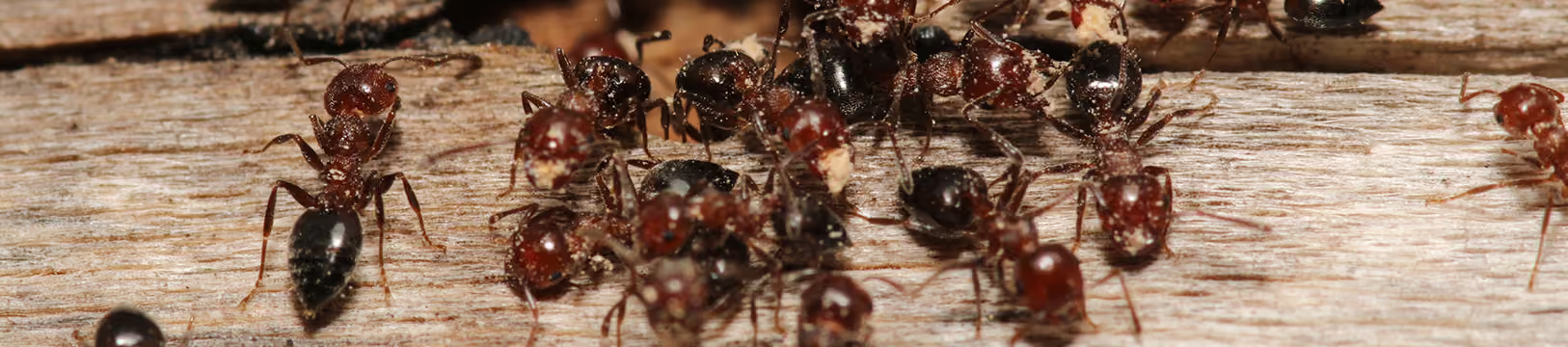
Carpenter ants are among the largest ants found in Northwest Florida and are often mistaken for termites because both can be associated with wood. Unlike termites, however, carpenter ants do not eat wood. Instead, they excavate it to create smooth tunnels where they build their nests.
These ants prefer wood that has already been softened by moisture, decay, or previous damage. Finding carpenter ants indoors may indicate excess moisture or deteriorating wood that should be inspected.
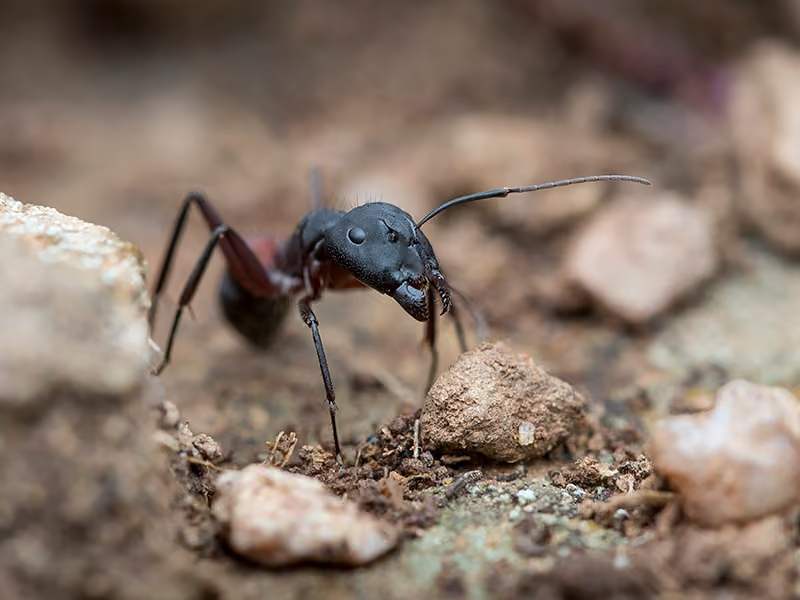
Carpenter ants vary in appearance by species and by the worker’s role within the colony.
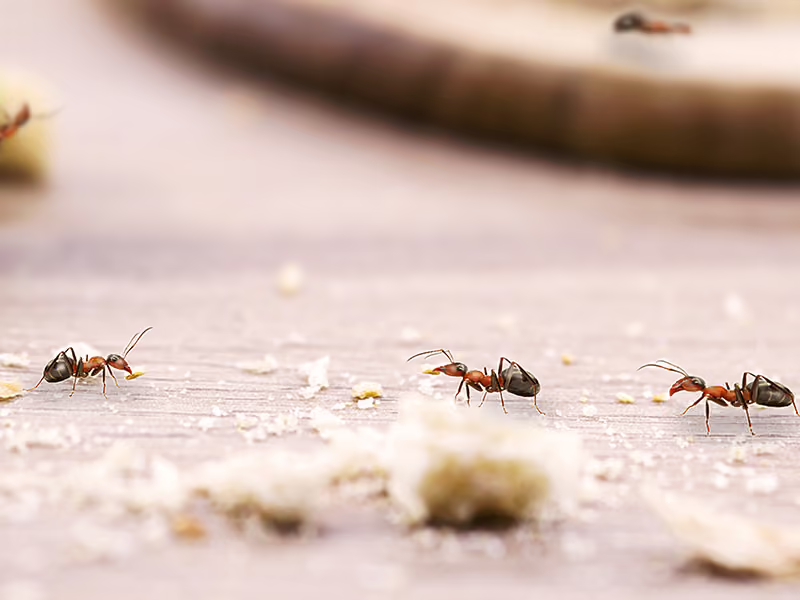
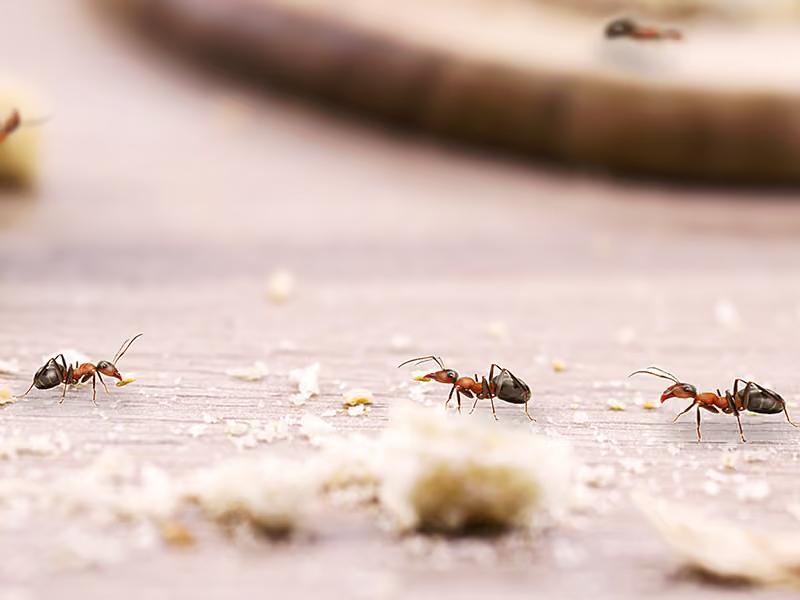
Workers typically measure between 1/4 and 1/2 inch long. Ants from the same colony may vary noticeably in size.
They may be black, reddish-brown, red and black, or a combination of these colors.
Carpenter ants have a narrow, pinched waist and a smoothly rounded upper back.
Antennae
Their antennae are bent or elbowed.
Winged carpenter ants have two pairs of wings, with the front pair longer than the hind pair.
Their large size is often the first feature homeowners notice, particularly when workers appear around windows, doors, kitchens, bathrooms, or other indoor areas.
Carpenter ants remain active year-round in Northwest Florida, with activity generally ranging from medium in winter to high from April through November. Swarming is most noticeable from April through June, while mating flights can continue throughout the rainy season.
It's common for homeowners to confuse carpenter ants with termites, but there are several important differences.
Carpenter ants have a narrow, pinched waist and elbowed antennae, while termites have a broad waist and straight antennae. During a swarm, winged carpenter ants have front wings that are longer than their hind wings, while winged termites have two pairs of wings that are equal in length.
The biggest difference is how they use wood. Termites feed on wood because it provides the cellulose they need for food. Carpenter ants simply excavate wood to create nesting galleries, leaving behind smooth, clean tunnels rather than the rough, soil-lined galleries associated with subterranean termites.
If you're unsure which insect you've found, a professional inspection can identify the pest and determine whether wood damage is present.
Carpenter ants often forage indoors in search of food, especially during the evening and overnight hours. Even if their nest is outside, workers may enter your home through gaps around doors and windows, utility penetrations, or tree branches touching the roof.
Finding one or two carpenter ants doesn't necessarily mean they're nesting inside your home. However, repeated sightings—particularly of large winged ants or numerous workers—may indicate a nearby colony.
Carpenter ants commonly establish nests in areas where wood remains damp for extended periods.
Common nesting sites include:
Satellite nests may also develop inside homes while the primary colony remains outdoors.
Not necessarily. Carpenter ants often nest outdoors and simply forage inside for food.
However, carpenter ants are attracted to wood that has already been softened by moisture or decay. Their presence may indicate leaking roofs, plumbing issues, poor ventilation, or other conditions that should be corrected before the problem worsens.
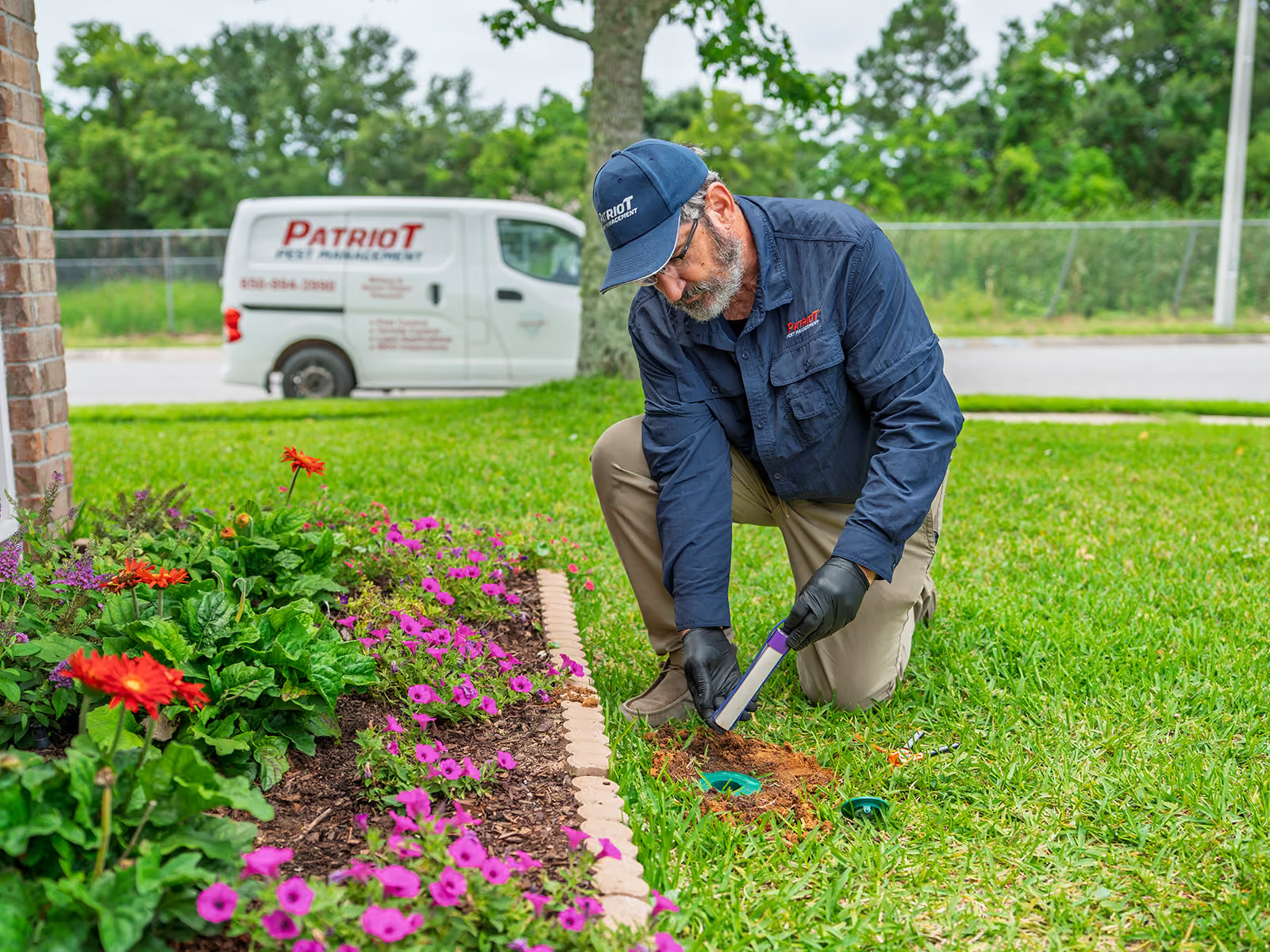
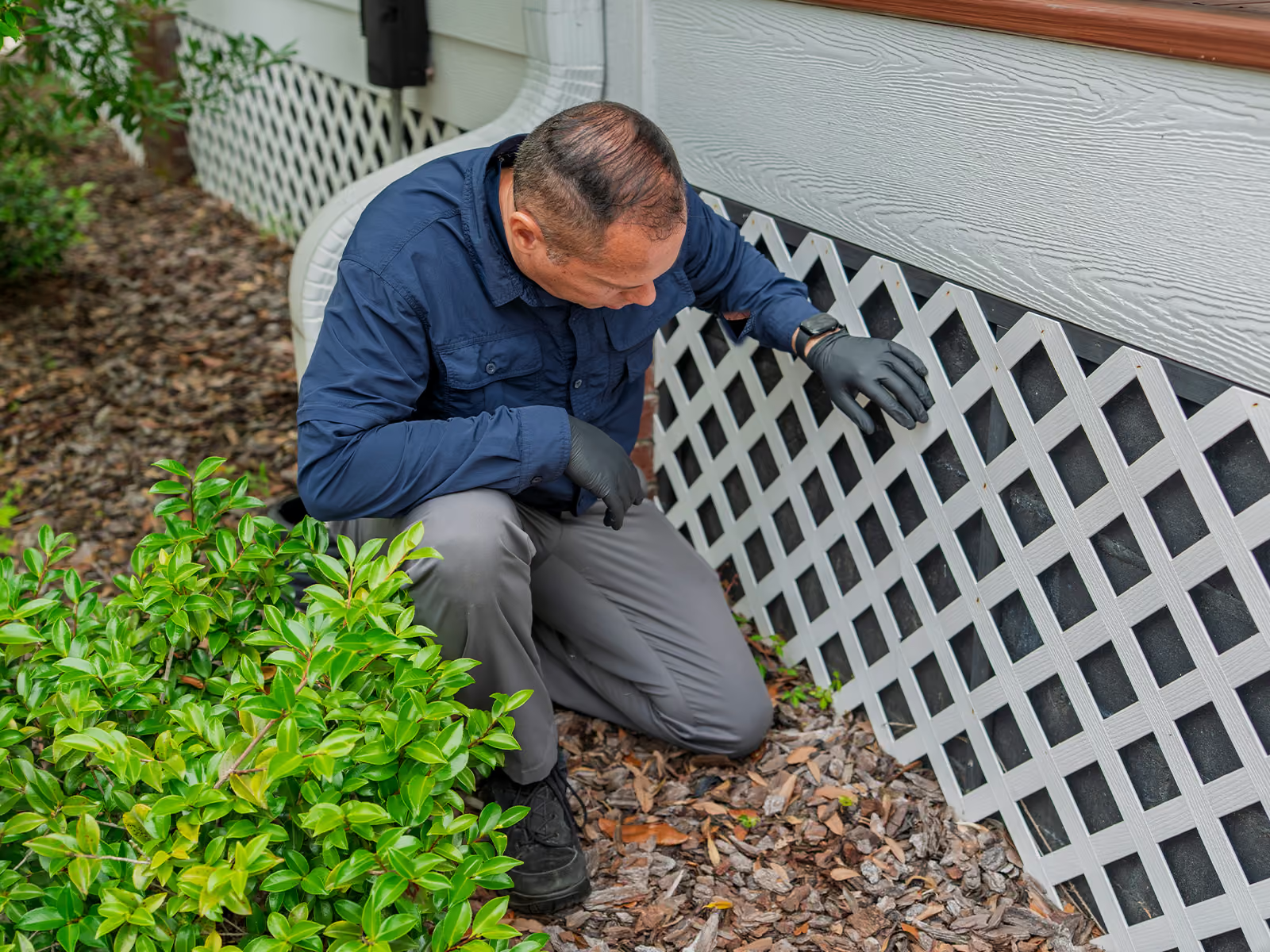
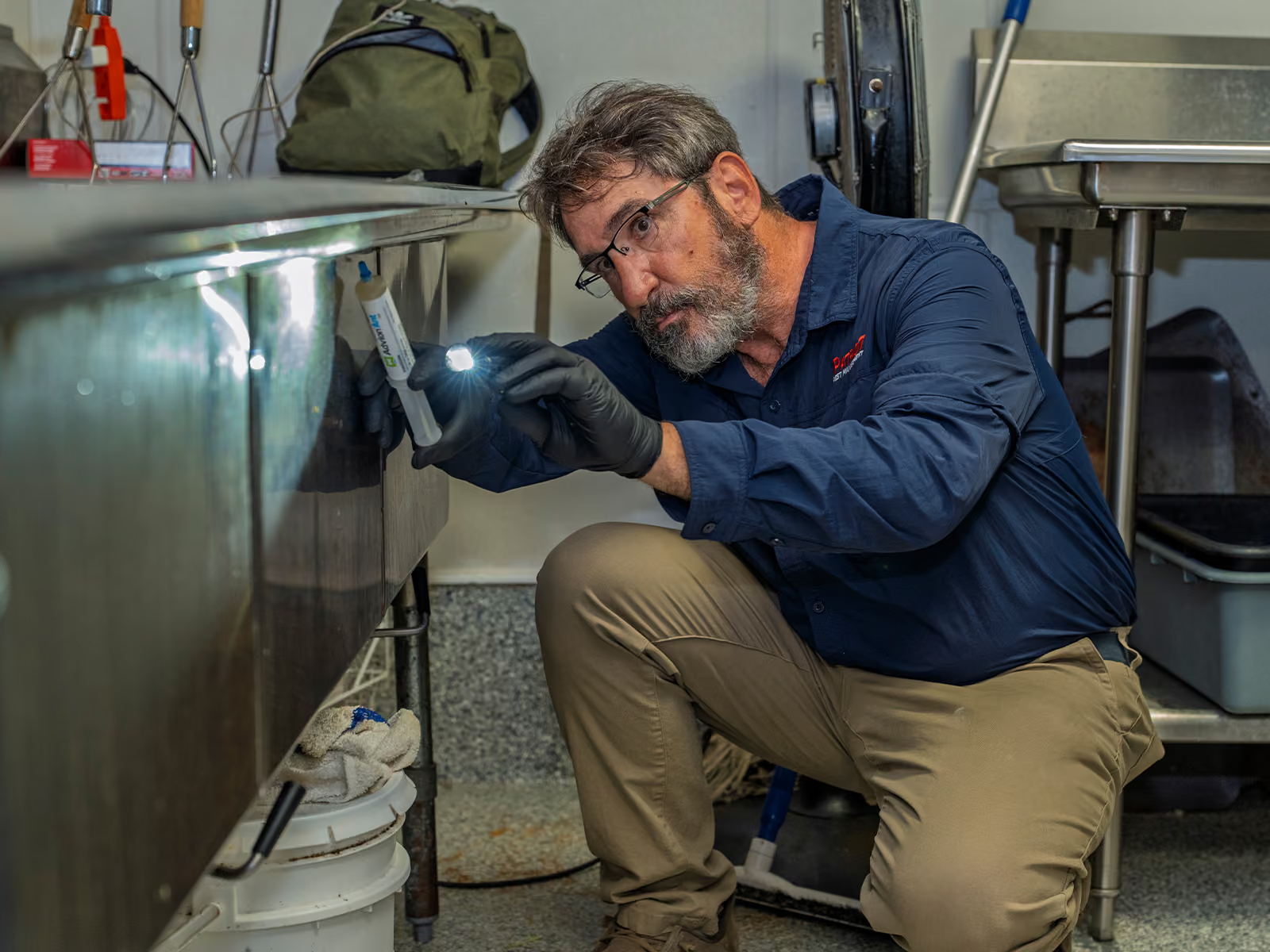
Carpenter ant control starts with locating carpenter ant nests inside and outside the structure. Our technicians also look for moisture-damaged wood, potential entry points, and other conditions that attract these ants.
Based on our findings, we'll treat the affected areas and recommend an ongoing solution to prevent future carpenter ant activity.
Patriot Pest Management provides carpenter ant control for homes and businesses throughout Escambia, Santa Rosa, and Okaloosa counties.
If you're concerned that the insects you've found may actually be termites, learn more about our termite control services or schedule a professional inspection.
No. Carpenter ants excavate wood to create nesting galleries, but they do not consume it for food as termites do.
Generally no. Carpenter ants can enlarge existing moisture-damaged wood to create nests, but termites typically cause much more extensive structural damage because they continuously feed on wood.
Usually not. Worker activity may become less noticeable at times, but the colony can remain active nearby. If sightings continue, professional service can help locate and address the source of the activity.

Mario with Patriot Pest is fantastic to work with. He’s professional, easy to communicate with, and always delivers great customer service. Highly recommend Carlos and the team with Patriot Pest Management!
Rebekah K.
Pace, FL

When other companies came up short, Patriot Pest found the solution and delivered results. They arrive on time, communicate clearly, and stand behind their work with integrity. Great people, outstanding service, and a company you can trust. If you need pest control done right the first time, Patriot Pest is the company to call.
Jesa S.
Pace, FL

Joey does a thorough and complete job. He has a very professional persona and is very courteous. Thank you Patriot for you great service and quality employees!
Tim T.
Pensacola, FL






Helpful Tips & Info