Certified WDO Inspection Services for Real Estate and Homeowners
Protecting your Northwest Florida property starts with staying ahead of termites and wood rot. Whether you're a homeowner safeguarding your investment or a real estate professional needing strict compliance and speed, our state-certified inspectors deliver. We understand the unique pest risks of the Panhandle and provide accurate, timely reports that satisfy VA loan requirements and give you total confidence in your structure's safety.
What is a WDO Inspection

Understanding Wood-Destroying Organism Inspections
A WDO inspection covers more than just termites. This specialized evaluation identifies any organism currently attacking wood structures. Rigorous detection is the only way to ensure the long-term stability of the property.

Required for Real Estate Transactions
Lenders often mandate a WDO report before funding a mortgage. This is a strict requirement for VA, FHA, and many conventional loans. Avoid closing delays by securing accurate, compliant documentation early in the process.

Why WDO Reports Matter in Florida
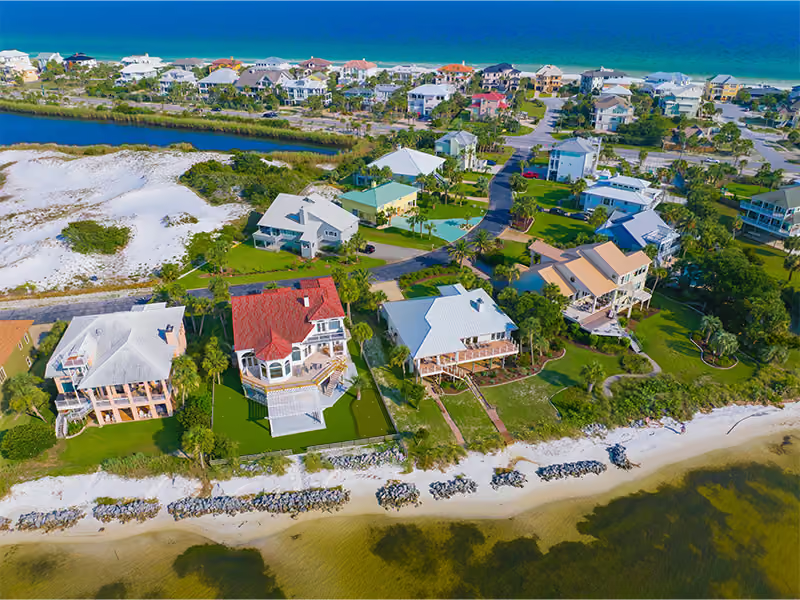
Northwest Florida sees some of the highest termite activity nationwide. Standard home inspections frequently overlook subtle damage. A dedicated WDO evaluation focuses strictly on these threats, clarifying the property's true condition before the sale.
What Our WDO Inspection Includes Section

Full Structural Evaluation
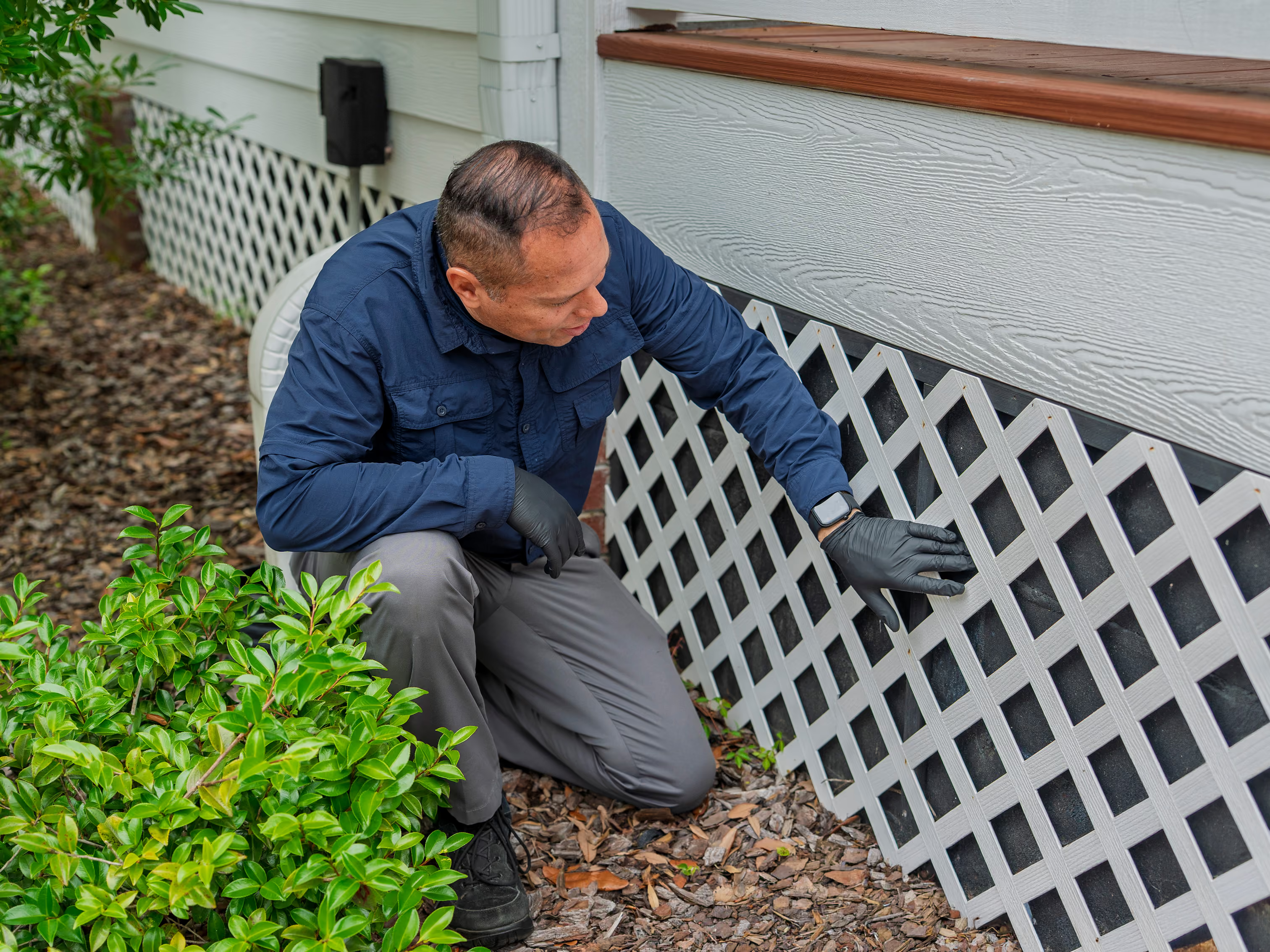
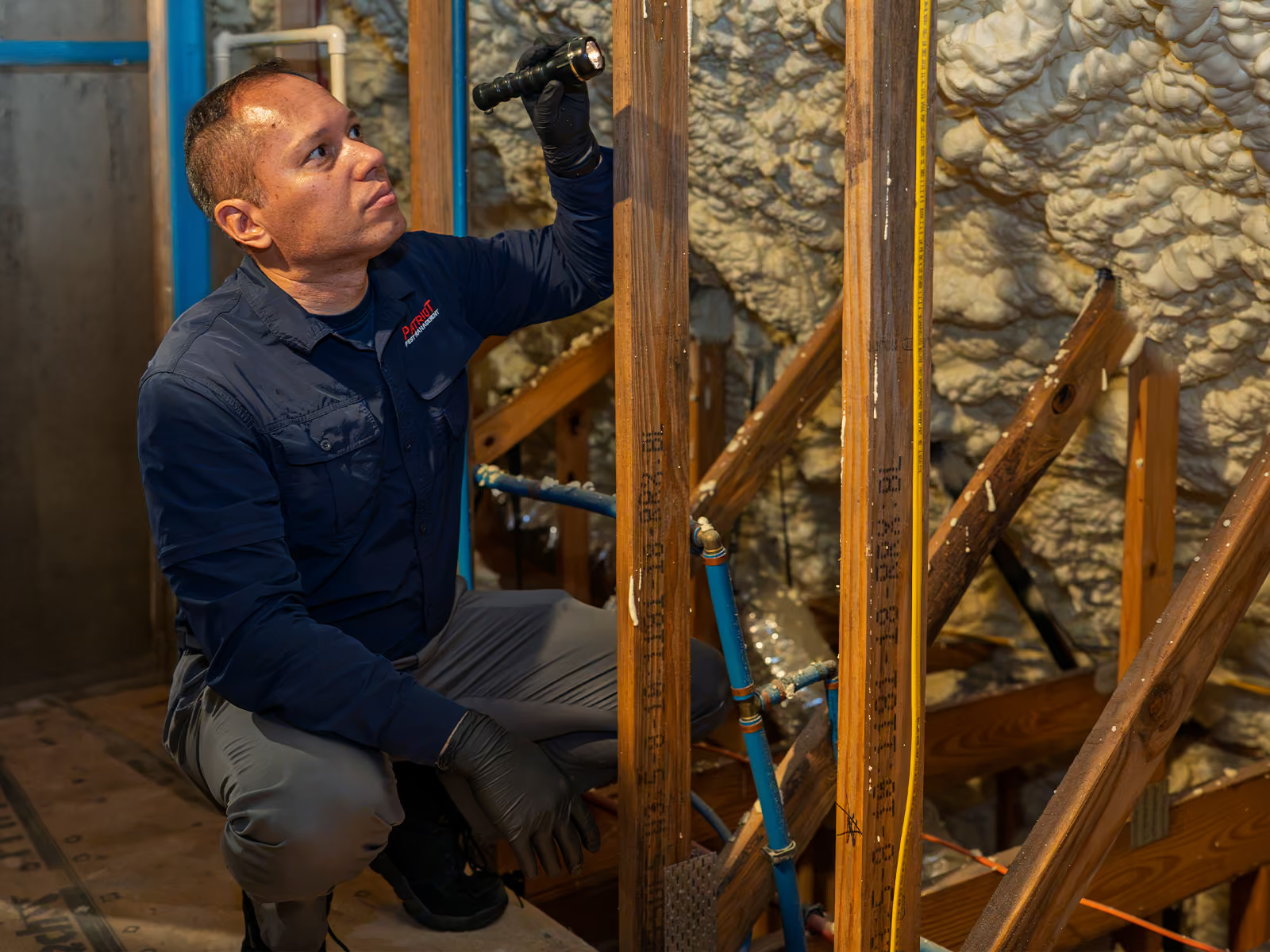
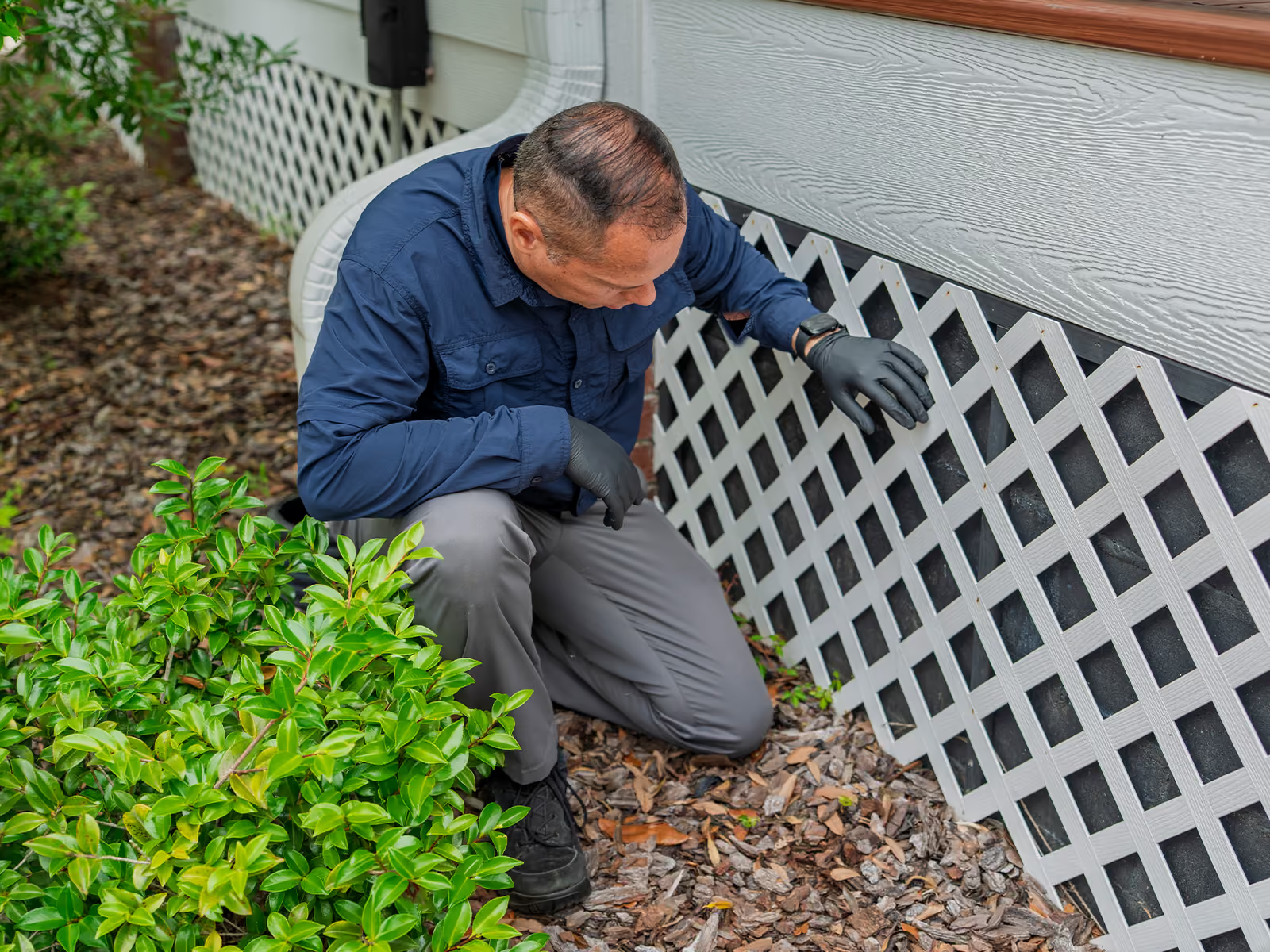
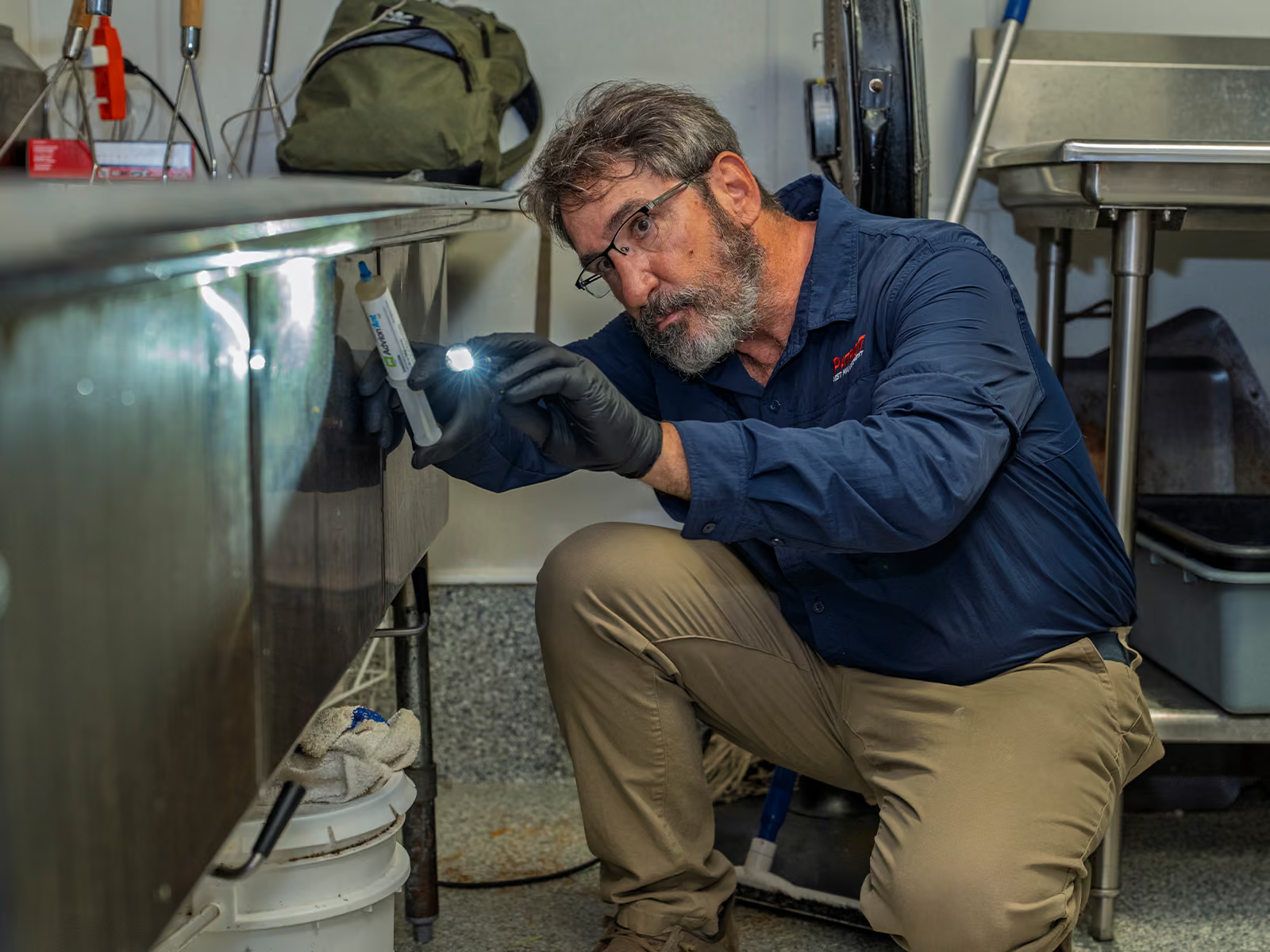
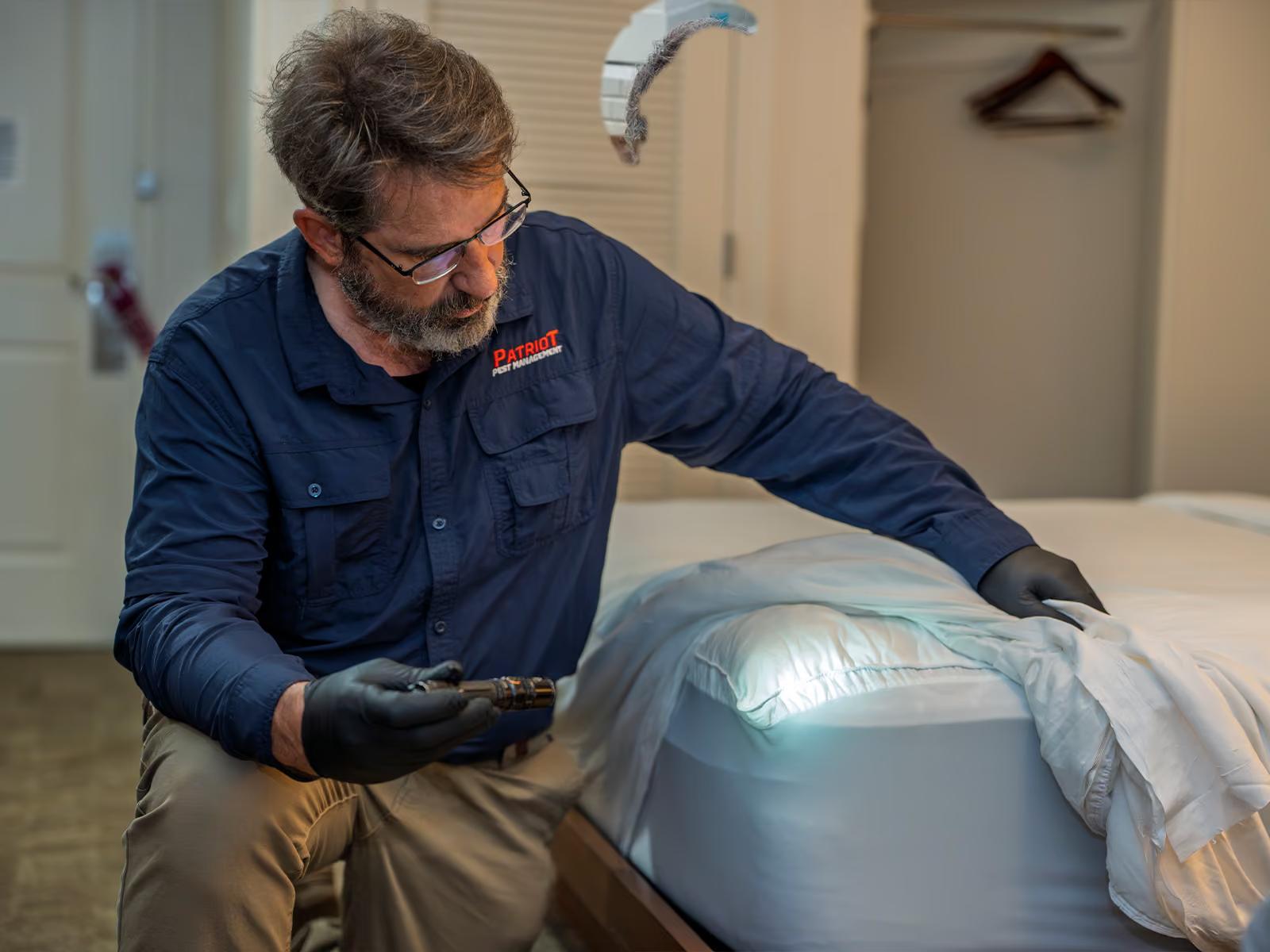
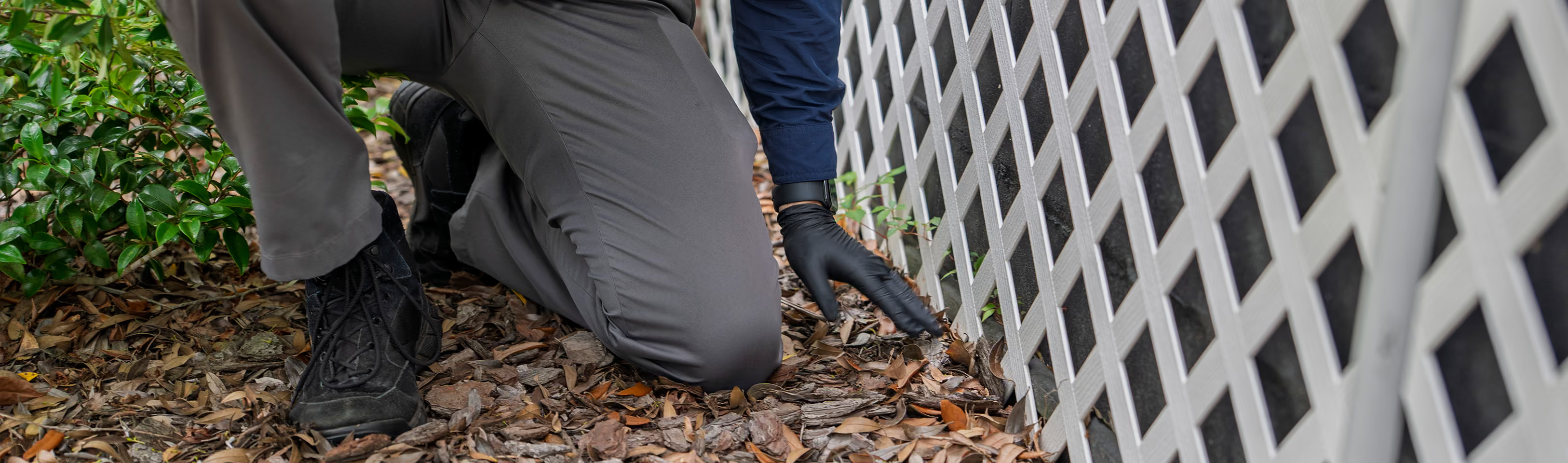
Comprehensive pest management requires assessing every conducive environment. Our inspectors conduct a rigorous examination of the interior, exterior, attic, and crawl spaces. This full structural evaluation is designed to locate hidden colonies and breeding grounds that require immediate remediation, ensuring no area is left untreated.

Identification of Wood-Destroying Organisms
Correct identification is the first step in successful remediation. Treating Subterranean termites requires a different chemical protocol than treating Drywood termites or wood-boring beetles. Our inspectors are trained to distinguish between:
-
Termites: Determining if soil treatment or fumigation is required.
-
Wood-Decay Fungi: Identifying rot that requires moisture management.
-
Powderpost Beetles: Locating infestations that need wood-penetrating treatments.

Moisture Conditions and Conducive Areas
Pest control is as much about prevention as it is about extermination. We identify "conducive conditions"—environmental factors like plumbing leaks, poor ventilation, or wood-to-ground contact—that invite pests. Managing these moisture issues is a form of proactive pest control, starving fungi and making the structure less hospitable to termites.
Counties and Areas We Serve
Santa Rosa County
Residents in Milton, FL, Pace, FL, and Gulf Breeze, FL face specific soil conditions that favor Subterranean termites. Our team provides targeted management inspections throughout Santa Rosa County to address these local threats.
Escambia County
From Pensacola, FL, to Cantonment, FL, we offer specialized diagnostic services that support effective pest remediation. Our inspectors understand the unique construction styles in Escambia County and how to best manage WDO threats in this area.
Okaloosa County
Our coverage extends to Crestview, FL, and Niceville, FL, providing the critical inspections needed to initiate treatment plans for properties in the expanding communities of Okaloosa County.
Real Estate WDO Report
Clear and Compliance-Ready Documentation
The generated report serves as a treatment roadmap. Findings are categorized to clearly indicate active infestations requiring immediate chemical intervention versus previous activity that has already been managed. This detail allows buyers and sellers to negotiate the specific costs of remediation and structural repair.
Clear and Compliance-Ready
Documentation
To close a real estate deal, the evidence of pest management must be documented on state-approved forms. We provide clear, compliance-ready reports that certify a property has been inspected and, if necessary, treated. This documentation validates that the structure meets all lender requirements regarding wood-destroying organisms.
Clear and Compliance-Ready
Documentation
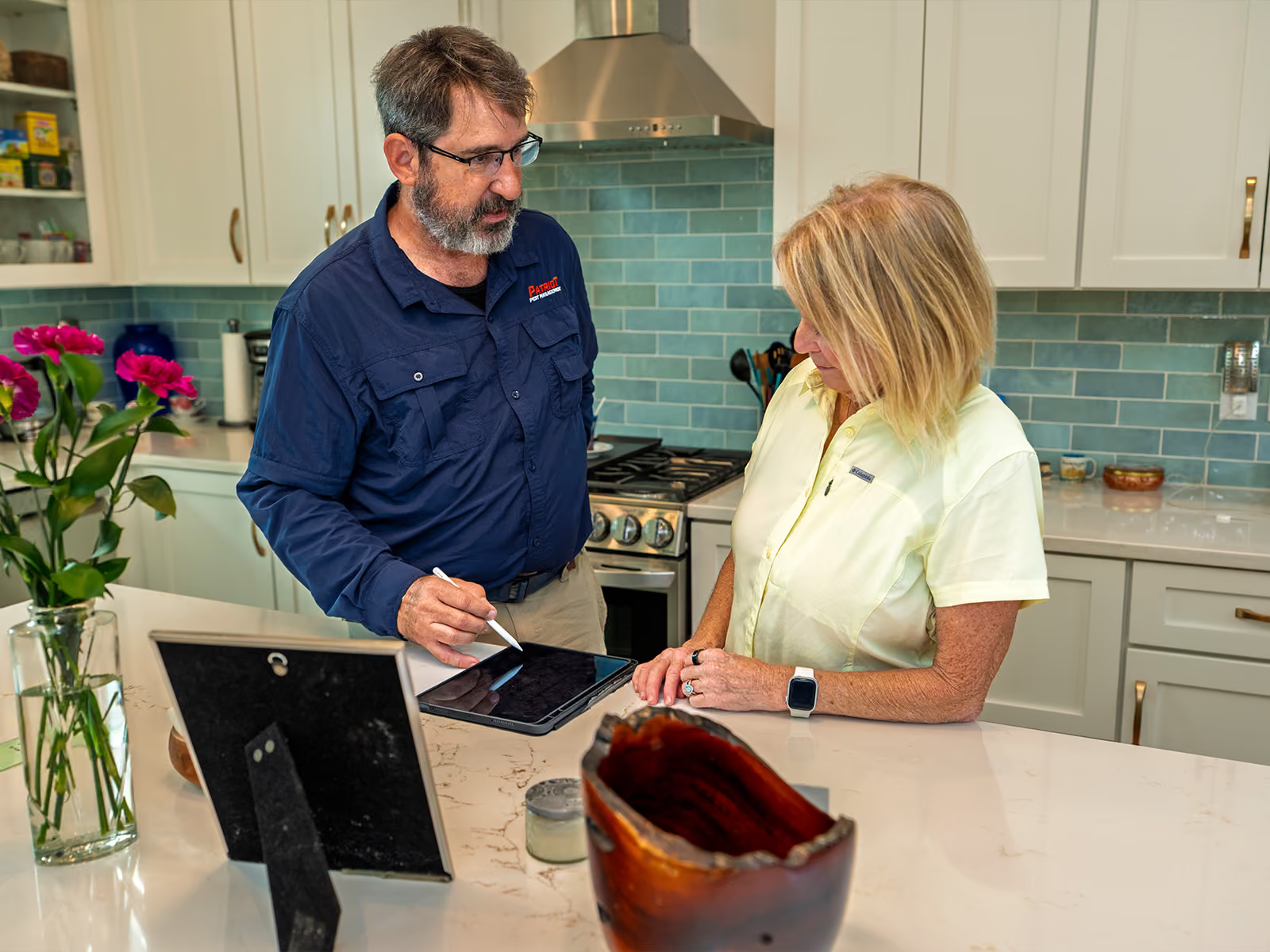
Navigating the transition from inspection to treatment can be stressful. We streamline this for agents and buyers by offering immediate quotes for remediation if issues are found. Our team coordinates the treatment schedule to ensure the property is cleared quickly, preventing pest issues from delaying the closing.
Types of Wood-Destroying Organisms We Look For
Subterranean Termites
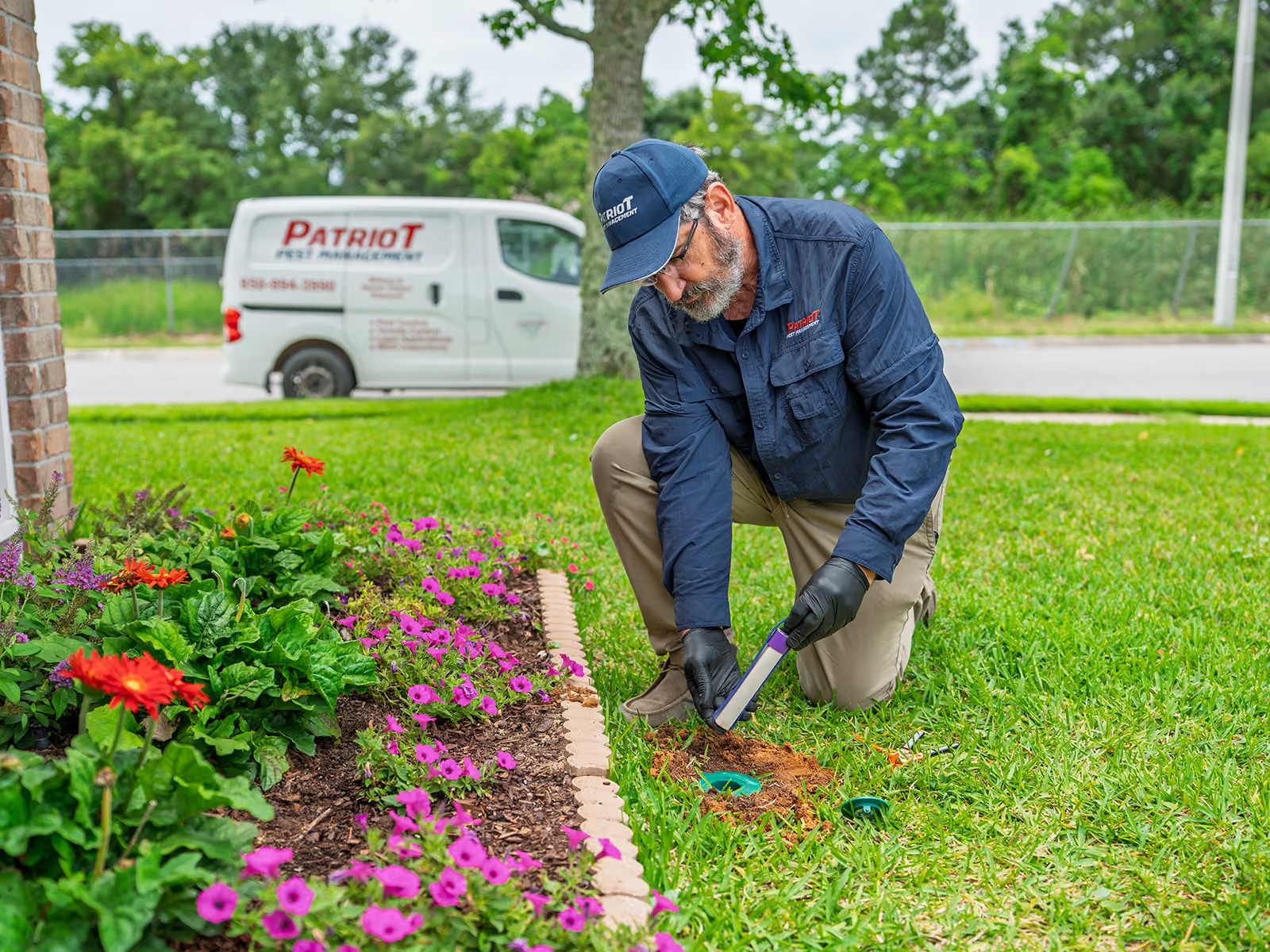
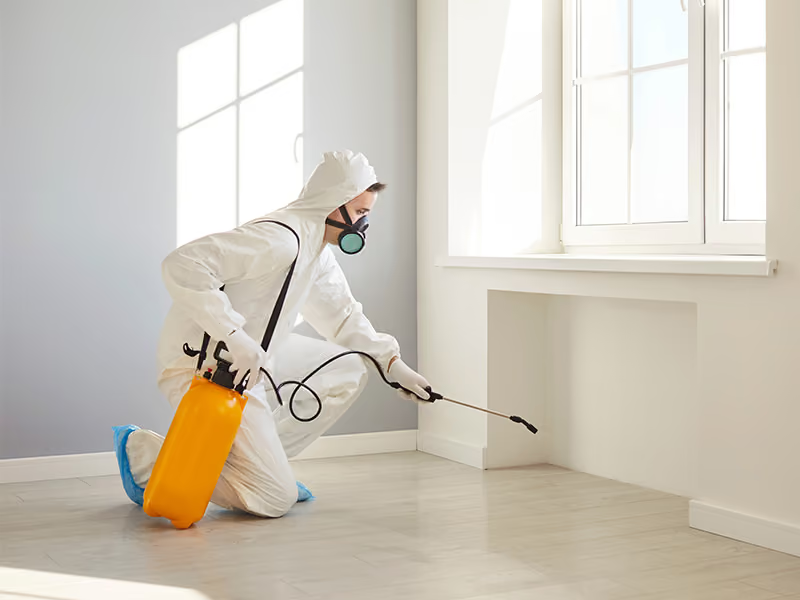
Management of these aggressive pests typically involves establishing a liquid chemical barrier in the soil or installing bait stations around the perimeter to intercept and eliminate the colony before it breaches the foundation.
Formosan Termites
Known as "super termites," these require aggressive management strategies. Because they can establish aerial colonies if moisture is present, control often involves fixing roof leaks combined with structural chemical treatments.
Drywood Termites
Since they live entirely inside the wood, soil treatments are ineffective. Management of widespread Drywood infestations usually requires structural fumigation (tenting), while minor infestations may be managed with localized wood injection treatments.
Wood-Decaying Fungi
The most effective "pesticide" for fungi is moisture control. Remediation involves stopping the water source, improving crawl space ventilation (encapsulation), and applying borate treatments to remaining wood to prevent fungal regrowth.
Powderpost Beetles
Larvae bore deep into timber. Management often requires applying penetrating borate solutions or fumigation to kill the larvae inside the wood and prevent adults from re-infesting exposed surfaces.
Other Wood-Destroying Insects
Pests like Old House Borers or Carpenter Ants require unique approaches. Carpenter ant management, for example, focuses on locating and treating the parent nest, which may be located outside the structure in a tree or stump.
Inspection Process Section
Step 1: Schedule Your Inspection
Initiate the pest management process by booking an appointment. We coordinate with agents and homeowners to ensure full access to the property for a complete diagnostic evaluation.
Step 2: On-Site Evaluation
The inspector assesses the property for signs of biological activity. This "triage" phase determines the health of the home and identifies which pest control protocols will be necessary.
Step 3: Findings and Documentation
Data is compiled into a manageable format. If active organisms are found, we provide a specific remediation proposal outlining the treatment method (liquid, bait, or fumigation) required to clear the property.
Step 4: Delivery of Your WDO Report
The final report is delivered electronically. Ideally, this is a clean bill of health. If not, it becomes the authorization document for our technicians to begin the necessary pest control treatments to secure the home.
Why Choose Our WDO Inspection Services
State-Licensed and Certified Inspectors
Pest management is a regulated industry. Our inspectors hold specific certifications from the Florida Department of Agriculture and Consumer Services (FDACS), qualifying them to legally diagnose infestations and prescribe the appropriate pesticide or management treatments.
Fast Turnaround for Closings
When pests are found, time is of the essence. We prioritize rapid reporting so that if remediation is required, the treatment can be scheduled and completed immediately. This speed ensures that the "clear" WDO letter is available for the closing table without unnecessary delays.
Accurate and Thorough Evaluations
Misdiagnosing a pest issue can lead to ineffective treatment and continued damage. Our reputation is built on precision. We utilize advanced probing techniques to ensure the management plan we recommend is exactly what the structure needs—nothing more, nothing less.
Local Expertise in Florida WDO Activity
Local knowledge is a powerful tool in pest control. Understanding the swarming seasons of Formosan termites in the Florida Panhandle or the prevalence of specific beetles allows us to provide proactive management advice that generic inspections might miss.
Frequently Asked Questions
How long does a WDO inspection take?
A thorough diagnostic inspection takes 45 minutes to an hour. This time allows us to accurately identify pests and determine the correct management strategy.
Is this the same as a termite inspection?
It is broader. A WDO inspection covers the management of termites, wood-boring beetles, and wood-decaying fungi, all of which require different treatment protocols.
Is a WDO inspection required for VA loans?
Yes. The VA requires assurance that the property is pest-free. If activity is found, professional treatment must be performed and documented to satisfy the loan requirements.
How much does a WDO inspection cost?
Costs vary by location and foundation type. However, the cost of the inspection is minimal compared to the cost of remediating untreated termite damage.
What happens if damage is found?
We identify the cause of the damage. While we focus on pest management (killing the organism), we can recommend qualified contractors to repair the structural wood once the infestation is neutralized.

Can you treat termites if needed?
Absolutely. If the inspection reveals live activity, we can seamlessly transition from diagnosis to treatment, applying the necessary controls to clear the property for closing.
Schedule Your WDO Inspection Today
Pests shouldn't be the reason a sale falls through or a home loses value. Take control with a thorough WDO inspection that uncovers hidden issues before they become expensive problems. Whether finalizing a purchase or protecting a current home in Santa Rosa, Escambia, or Okaloosa County, get the reliable answers needed to proceed with confidence. Reach out now to secure a spot on the schedule.