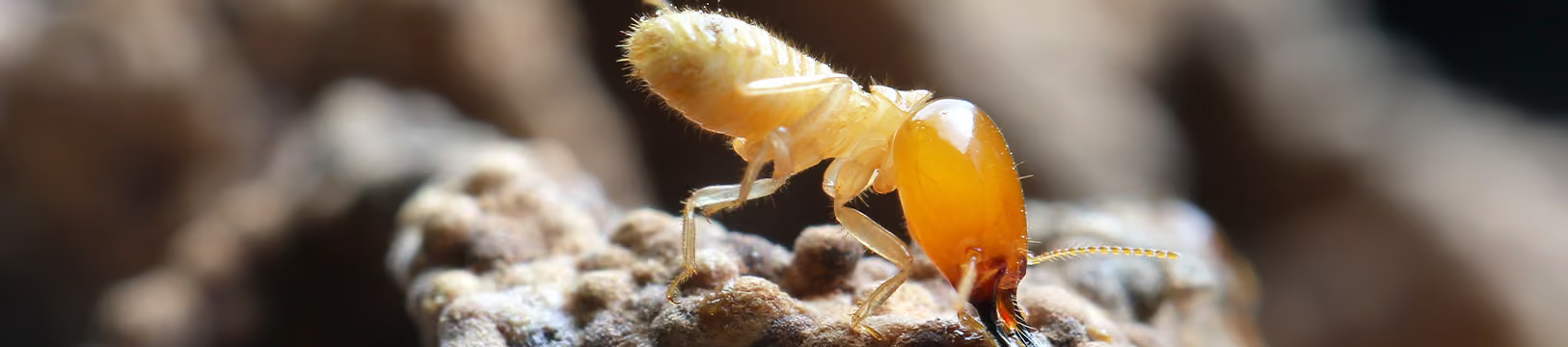
Eastern subterranean termites are the most common termite species found in Northwest Florida and are responsible for millions of dollars in structural damage across the United States each year. Unlike drywood termites, they live in the soil and build underground colonies that can contain hundreds of thousands of termites.
Because they travel inside wood and protected mud tubes, these termites often damage homes for months or even years before they're discovered. By the time homeowners notice signs of activity, repairs may already be necessary.
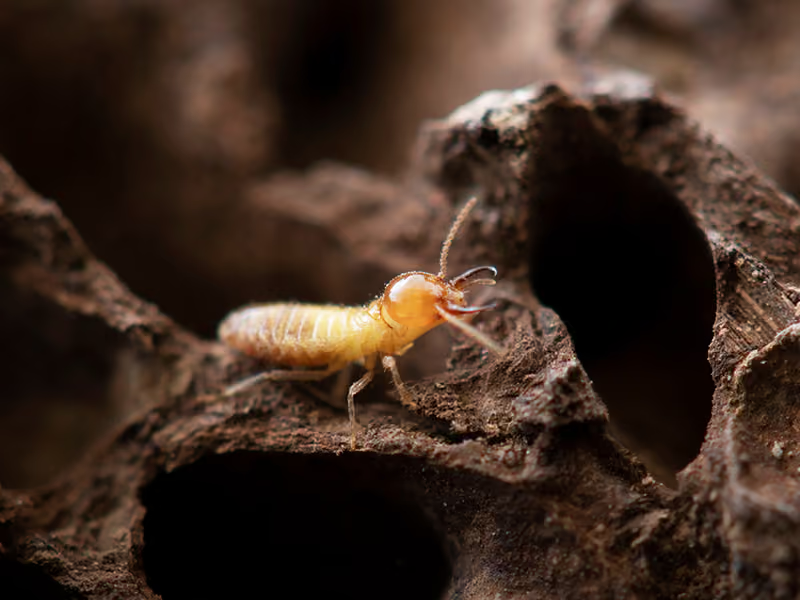
Eastern subterranean termites have different appearances depending on their role within the colony.
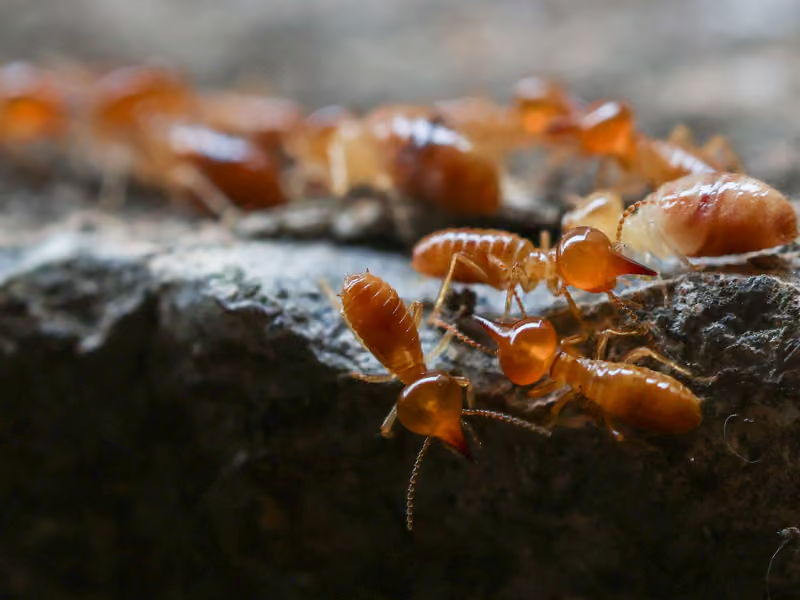
Worker termites are cream-colored, wingless, and about 1/8 inch long. They make up the majority of the colony and are responsible for feeding the other termites, expanding the nest, and causing damage by consuming wood and other cellulose materials.
Soldiers look similar to workers but have larger amber-colored heads and strong jaws used to defend the colony from ants and other predators. They do not damage wood themselves but protect the workers while they feed.
Swarmers, also called reproductive termites, are dark brown to black with two pairs of long, equal-sized wings. They are about 3/8 inch long and are often mistaken for flying ants. In Northwest Florida, swarms commonly occur during the spring, especially after warm temperatures and rainfall.
Eastern subterranean termites do not completely disappear when the weather cools. Colonies can remain active underground year-round in Northwest Florida, but activity picks up as temperatures rise in late winter and spring. Warm, rainy weather often brings swarmers into view, while established colonies may continue feeding through summer and early fall. As winter approaches, activity closer to the soil surface typically slows.
Because these termites spend most of their lives hidden underground or inside wood, early infestations are easy to miss. Watch for these common warning signs.
Eastern subterranean termites build narrow mud tubes along foundations, stem walls, piers, crawl spaces, garage slabs, and other surfaces to travel between the soil and the wood they are feeding on. These tubes help protect them from predators and prevent them from drying out.
As termites feed, they consume wood from the inside out. Wood may sound hollow when tapped, appear blistered, or feel soft and weakened, even though the outer surface still looks normal.
Finding winged termites indoors or around your home is often one of the first visible signs of a nearby colony. Swarms typically occur when mature colonies produce new reproductives to establish additional colonies.
After swarming, termites shed their wings. Small piles of matching wings on windowsills, near doors, in garages, or around light fixtures may indicate termite activity nearby.
Eastern subterranean termites can damage wood and other cellulose-based materials wherever they can reach them from the soil. Around homes and other structures, they are commonly found in:
Moisture problems, plumbing leaks, poor drainage, and wood debris near the foundation can create conditions that increase the likelihood of termite activity.
Northwest Florida provides excellent conditions for eastern subterranean termites. Warm temperatures, abundant moisture, sandy soils, and relatively mild winters allow colonies to remain active throughout much of the year.
Homes and other structures across Escambia, Santa Rosa, and Okaloosa counties face steady termite pressure, including properties in communities such as Pensacola, Navarre, and Niceville. Even newer buildings can be vulnerable if termites find a way inside.
Eastern subterranean termites feed on wood and other cellulose-based materials. Over time, they can damage structural framing, floor joists, support beams, wall studs, subfloors, trim, and other wooden parts of a building.
Because termite damage often develops behind walls, beneath floors, or in other hidden areas, an infestation may go unnoticed until significant damage has occurred.
Whether you have noticed signs of termite activity or want protection before termite damage occurs, Patriot Pest Management can help.
We provide professional termite control throughout Escambia, Santa Rosa, and Okaloosa counties. Our Termite Shield program uses the trusted Sentricon® System to provide long-term protection against subterranean termites and includes a termite re-treatment warranty for added protection.
When another treatment option is better suited to the property, we explain the available solutions and recommend the most appropriate approach.
Early detection and ongoing termite protection can reduce the risk of extensive and costly damage.
No. Eastern subterranean termites do not bite people or spread disease. The primary concern is the structural damage they can cause to homes and other buildings.
Yes. Termites primarily feed on cellulose, which is found in wood, paper, cardboard, drywall, and some insulation materials.
They can remain active throughout the year because of the region’s warm, humid climate and mild winters. Swarming is most noticeable in spring, but colonies may continue feeding even when no swarmers are visible.
Not always. Mud tubes can remain after termite activity has stopped. A professional inspection can determine whether the tubes are active and whether additional signs of termites are present.
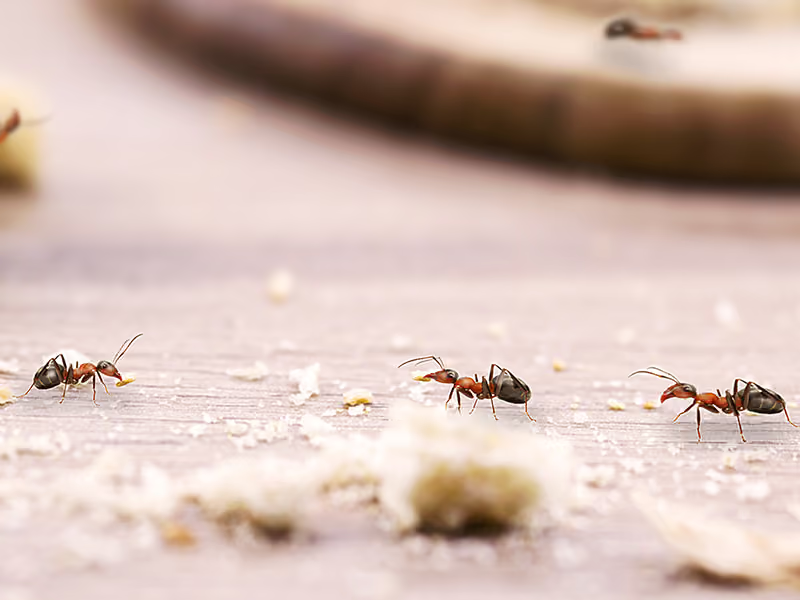
Termite swarmers have straight antennae, broad waists, and two pairs of wings that are about the same length. Flying ants have elbowed antennae, narrow waists, and front wings that are longer than their hind wings.
If you've found mud tubes, discarded wings, or signs of wood damage around your home, don't wait to have it inspected. Patriot Pest Management provides professional termite inspections and long-term termite control for property owners throughout Northwest Florida.

Joey does a thorough and complete job. He has a very professional persona and is very courteous. Thank you Patriot for you great service and quality employees!
Tim T.
Pensacola, FL

5 stars all around, courteous, prompt, communicated exactly with he was doing and how to keep the pets safe! Pay that man! It was simple, easy and fast!
Tim F.
Pensacola, FL

When other companies came up short, Patriot Pest found the solution and delivered results. They arrive on time, communicate clearly, and stand behind their work with integrity. Great people, outstanding service, and a company you can trust. If you need pest control done right the first time, Patriot Pest is the company to call.
Jesa S.
Pace, FL






Helpful Tips & Info