Smokybrown cockroaches are a common outdoor cockroach species in Northwest Florida. They thrive in warm, humid environments and are frequently found in leaf litter, mulch, tree holes, gutters, rooflines, attics, and other protected areas that provide moisture and shelter.
Unlike German cockroaches, smokybrown cockroaches usually live outdoors or in protected areas such as attics, crawl spaces, and sheds. They may also enter living areas while searching for food, moisture, or shelter from changing outdoor conditions.
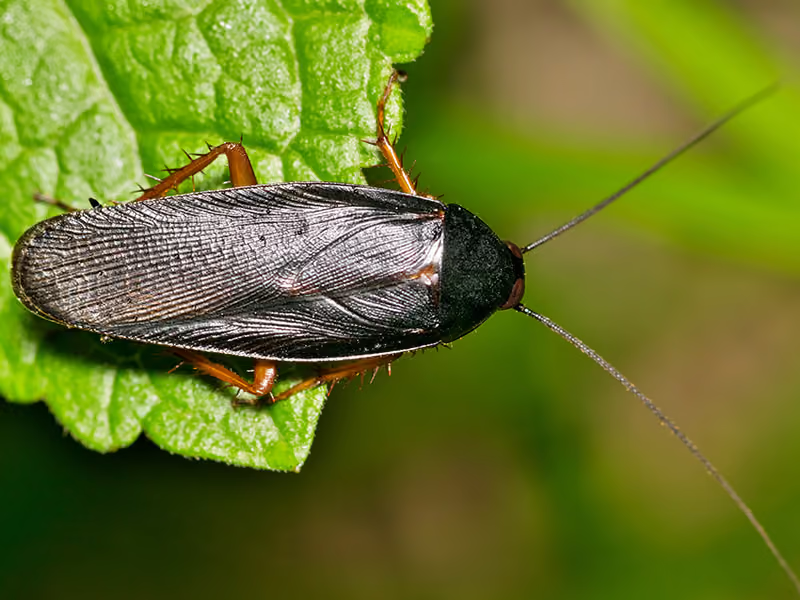
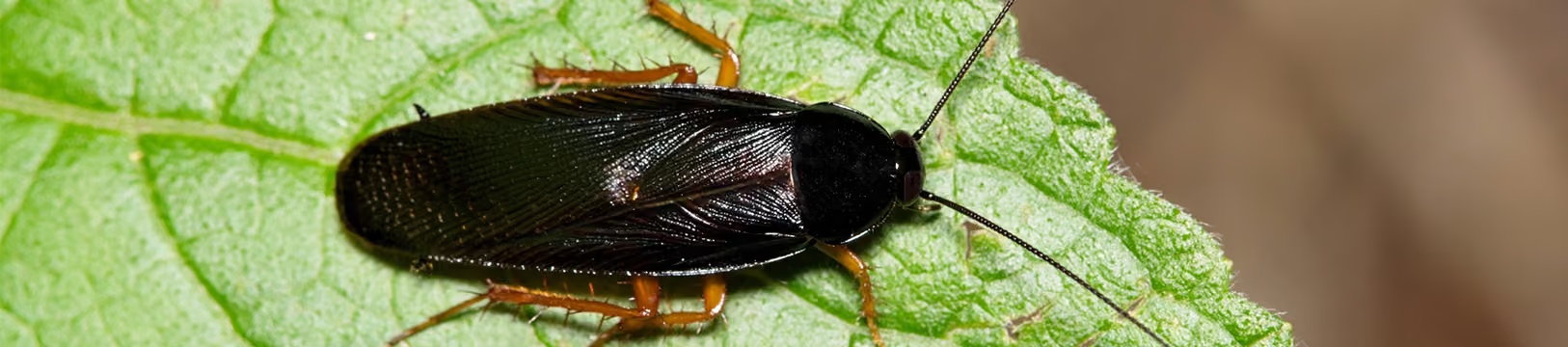
Smoky brown cockroaches are large insects sometimes mistaken for American cockroaches, but they have several distinguishing features.
Adults are usually about 1 to 1 1/2 inches long, making them one of the larger cockroach species found in Northwest Florida.
Smokybrown cockroaches are a uniform dark mahogany brown to nearly black. Unlike American cockroaches, they do not have a pale yellow marking behind the head.
Both males and females have long wings that extend beyond the abdomen. Smokybrown cockroaches are capable fliers and are often drawn to porch lights and other outdoor lighting after dark.
Young smokybrown cockroaches are dark brown to black with pale markings that become less noticeable as they mature. Newly hatched nymphs may have a light band across the back and pale markings near the tips of the antennae.
Smokybrown cockroaches are most active during Northwest Florida’s warm, humid months. Activity increases in spring and often remains high through October. Cooler weather slows outdoor activity, although these cockroaches can remain active in warm, sheltered areas throughout the winter.
Smokybrown cockroaches hide in humid, protected areas around and sometimes within structures.
Common hiding places include:
Tree branches touching the house, clogged gutters, and gaps along the roofline can give these cockroaches easier access to the structure.
Smokybrown cockroaches may enter living spaces from outdoor hiding places or from protected areas such as attics and crawl spaces.
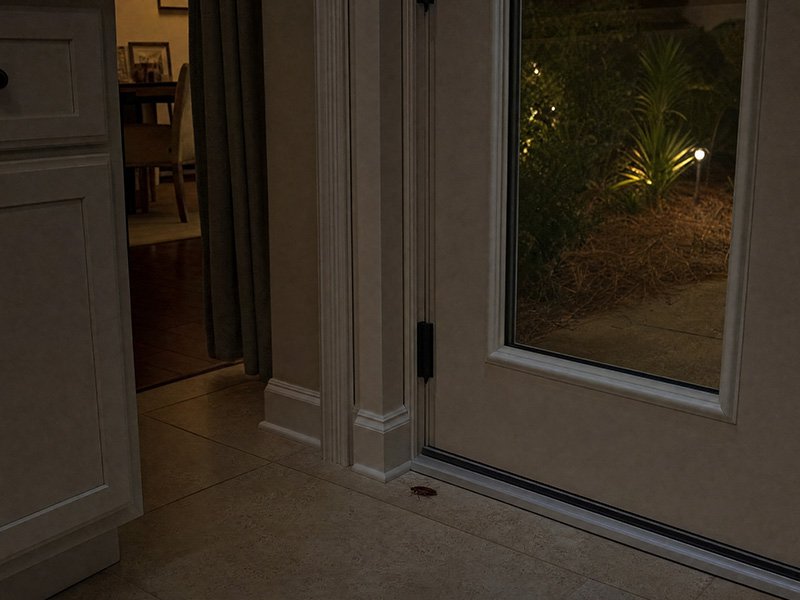
Outdoor lighting can draw flying adults toward doors and windows after dark. Gaps along rooflines, vents, utility openings, and poorly sealed doors can also provide access. Heavy rain or extended dry weather may make indoor sightings more noticeable.
One cockroach may have entered accidentally, but repeated sightings suggest activity near the structure.
Repeated sightings near porch lights, rooflines, or attic access points can indicate that smokybrown cockroaches are living close to the structure.
Dark nymphs with pale markings or egg cases found in an attic, gutter, crawl space, or storage area may point to a nearby breeding site. Droppings and shed skins can also indicate ongoing activity.
Smokybrown cockroaches often live and move through gutters, leaf litter, animal waste, and other areas where they can pick up bacteria and contaminants. If they enter kitchens or other living areas, they can contaminate food and surfaces.
Their droppings, saliva, and shed body parts may also contribute to allergy or asthma symptoms in sensitive people.
Patriot Pest Management’s home pest control plans include year-round control for smokybrown cockroaches and many other common household pests. We’ll evaluate where the activity is occurring and recommend the right approach for the property.
Patriot Pest Management also provides commercial pest control for Northwest Florida businesses dealing with smokybrown cockroaches.
“Palmetto bug” is a regional nickname commonly used for several large cockroach species, including smokybrown and American cockroaches. It is not the name of a separate type of insect.
Smokybrown cockroaches are not aggressive and do not normally bite people. Bites are extremely unusual and are not the reason these cockroaches are considered pests.
Finding one in a sink or bathtub does not necessarily mean it came through the drain. A cockroach moving through the room may fall onto the smooth surface and be unable to climb back out.
If you're concerned about smokybrown cockroaches around your property, contact Patriot Pest Management today. Call (850) 994-3990 or request a free estimate online.

When other companies came up short, Patriot Pest found the solution and delivered results. They arrive on time, communicate clearly, and stand behind their work with integrity. Great people, outstanding service, and a company you can trust. If you need pest control done right the first time, Patriot Pest is the company to call.
Jesa S.
Pace, FL

Joey does a thorough and complete job. He has a very professional persona and is very courteous. Thank you Patriot for you great service and quality employees!
Tim T.
Pensacola, FL

Mario with Patriot Pest is fantastic to work with. He’s professional, easy to communicate with, and always delivers great customer service. Highly recommend Carlos and the team with Patriot Pest Management!
Rebekah K.
Pace, FL






Helpful Tips & Info