
What the Heavy Rain Left Behind
Northwest Florida is no stranger to heavy rain, particularly during hurricane season. However, the rainfall associated with Isaias left some properties in Pensacola and surrounding communities dealing with far more water than a typical afternoon thunderstorm.
When soil becomes saturated or outdoor areas flood, insects that normally shelter in mulch, beneath landscaping materials, or around foundations sometimes move to drier locations.
That can mean more activity around patios, garages, entryways, and other sheltered parts of a home.
Even after standing water disappears and landscaping begins drying out, changes to outdoor conditions can continue to influence where insects find shelter. The extent of flooding, existing pest populations, and conditions around individual properties all play a role in what homeowners might notice.
Standing Water Could Mean More Mosquitoes
Even after the rain stops and floodwaters begin receding, mosquito activity can become more noticeable.
Flooding can trigger the hatching of mosquito eggs in low-lying areas, while water left in buckets, planters, tarps, and other outdoor items can provide breeding sites for additional mosquitoes.
This is particularly relevant in coastal communities such as Gulf Breeze and Navarre, where mosquitoes are already a familiar part of life during the warmer months.
Not all mosquito activity following a hurricane comes from standing water in someone's yard. Floodwater mosquitoes can emerge from flooded natural areas and sometimes travel considerable distances. However, removing unnecessary standing water around the home can help reduce breeding sites for container-breeding species.
Once it's safe to work outside, check for water collected in:
- Flowerpots, saucers, and gardening containers
- Buckets, wheelbarrows, and outdoor equipment
- Tarps covering furniture, firewood, or damaged materials
- Children's toys and other items left outside
According to the CDC, nuisance mosquito populations often increase after hurricanes and flooding.
Mosquitoes are already a seasonal concern in Northwest Florida, and heavy rainfall can exacerbate their activity.
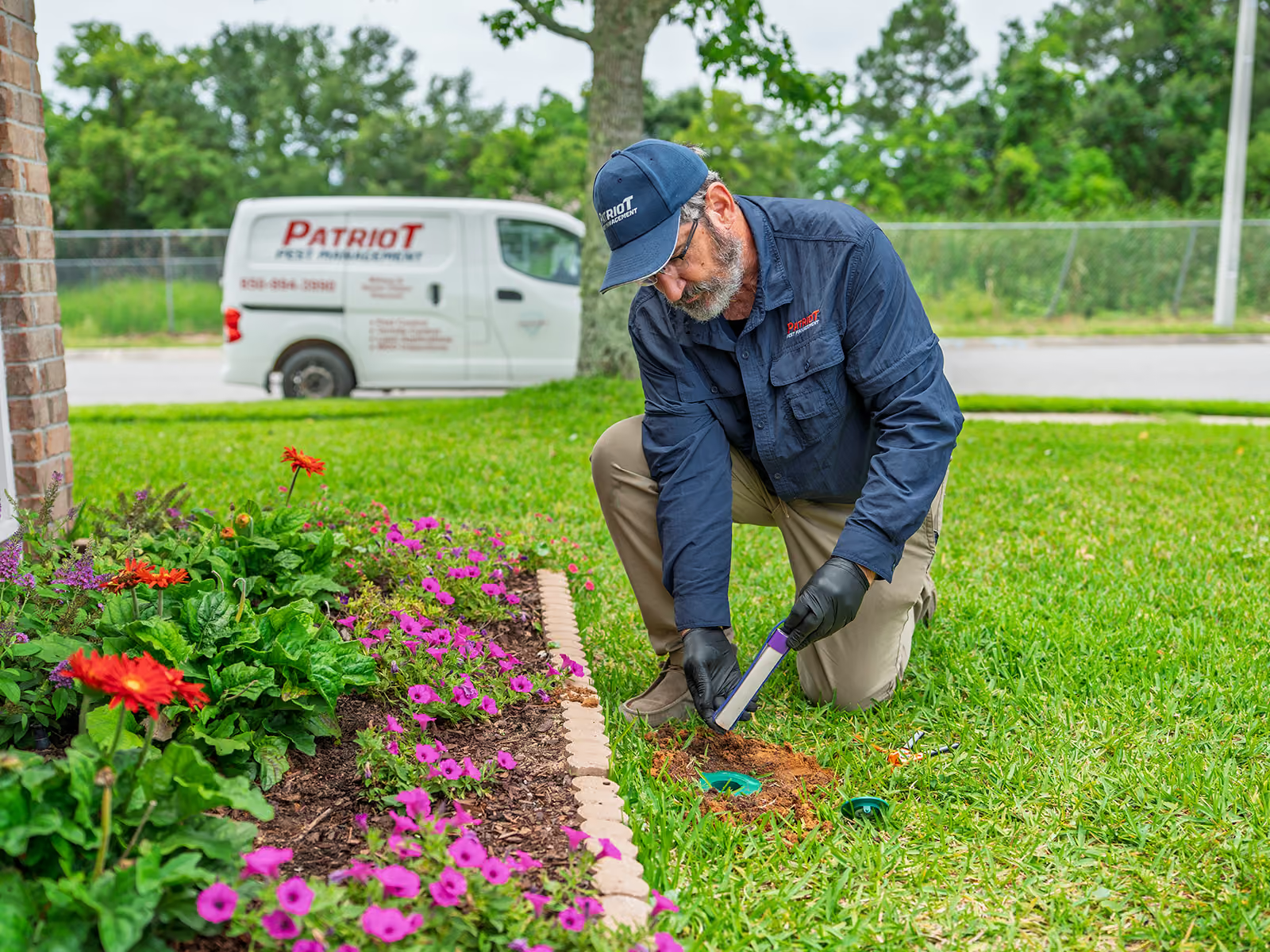
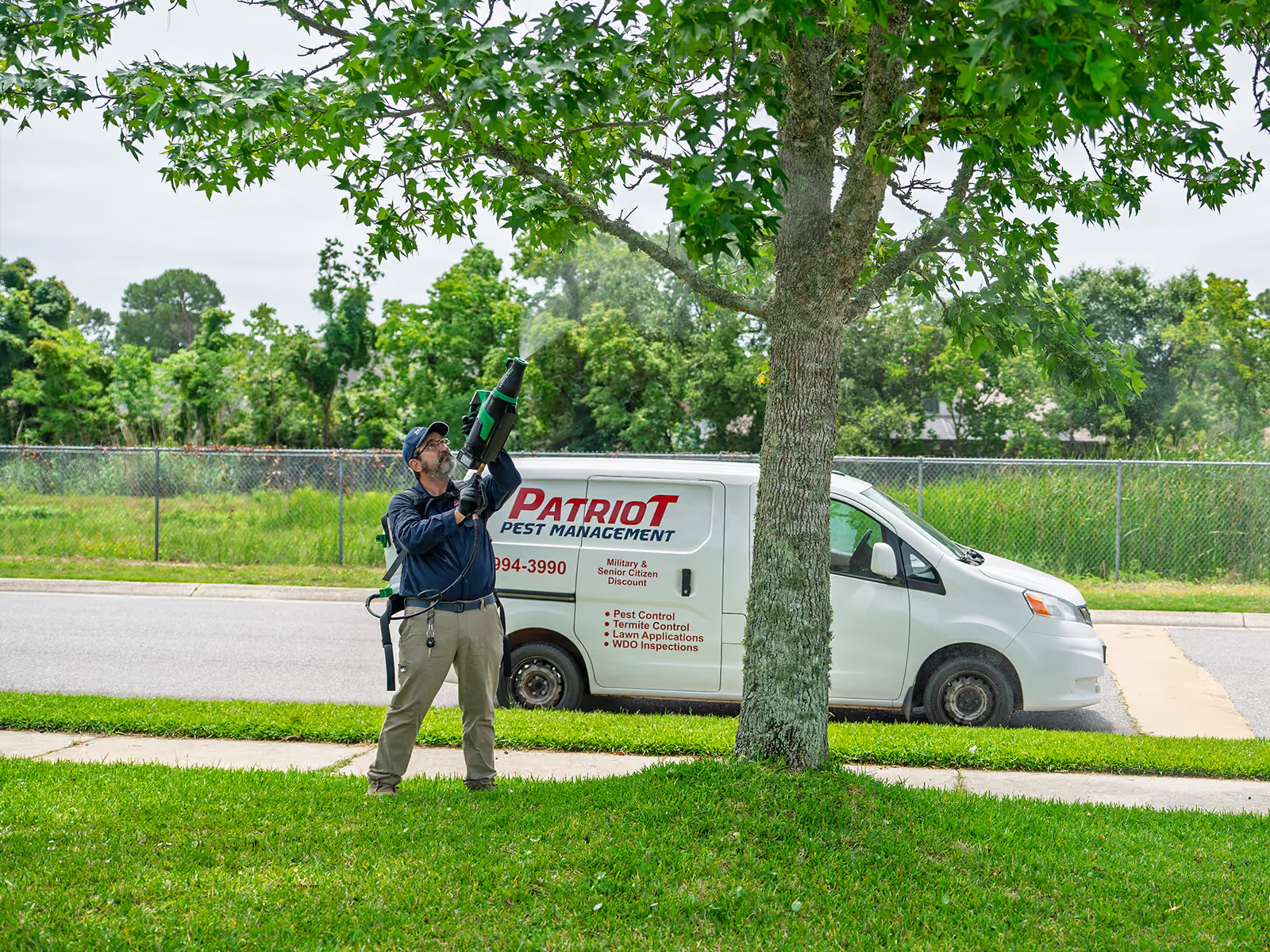
For homeowners experiencing persistent mosquito problems, Patriot Pest Management offers seasonal mosquito control using In2Care mosquito stations and targeted treatments. Seasonal service continues through October.
Wet Landscaping and Storm Debris Can Provide Shelter for Pests
After a storm like Isaias, it's common to find leaves, pine needles, fallen branches, and displaced mulch scattered around the yard.
In neighborhoods with mature trees and established landscaping, these materials can collect around foundations, fences, patios, and other protected areas.
While removing storm debris is primarily a cleanup concern, leaving it piled against a home can also create favorable conditions for insects.
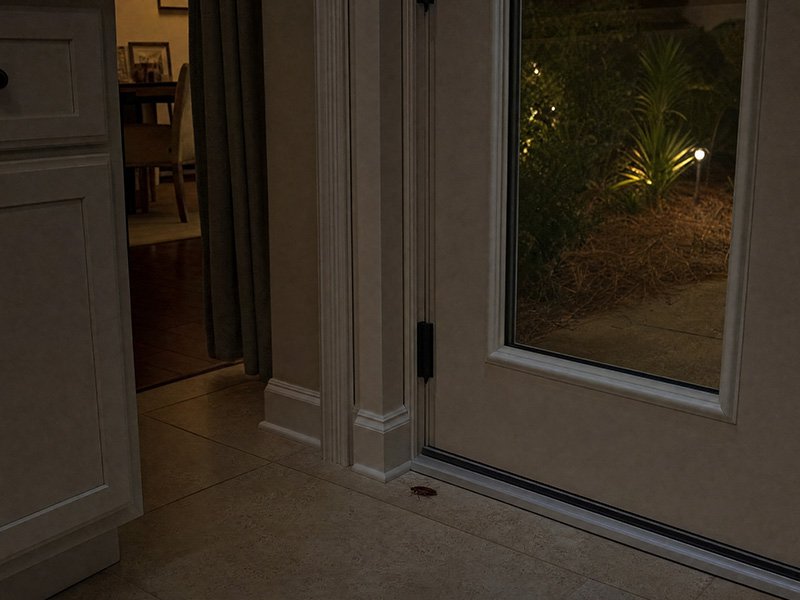
Large outdoor cockroaches are common around homes in Northwest Florida, especially those with mature trees and established landscaping. American cockroaches and smokybrown roaches often shelter in damp, protected areas, and changes to those conditions can bring them closer to the house.
Ants are another possibility. Heavy rainfall can disturb colonies nesting in the soil, causing some species to relocate to drier areas, including locations near homes.
None of this means every pile of wet leaves will attract pests or that homeowners need to rush outside and clear everything immediately.
Once the property is safe and other cleanup priorities have been addressed, removing unnecessary debris from around the foundation is a reasonable step toward making these areas less favorable for household pests.
Check for Pest Entry Points When Assessing Storm Damage
Heavy rainfall isn't the only reason pest activity might change after a hurricane.
Strong winds and falling branches can damage parts of a home's exterior, leaving openings that weren't there before.
In Northwest Florida, homes with vented soffits, attached garages, crawl spaces, and roofline penetrations can have several areas where exterior damage creates opportunities for insects or rodents to enter.
As homeowners in Crestview, Niceville, Milton, and other affected communities assess their properties, it's worth paying attention to these areas.
Look for damage involving:
- Soffits and roof edges: Loose or missing materials can leave openings into attic spaces.
- Exterior vents and screens: Torn screens or damaged vent covers can allow pests inside.
- Garage doors: Bent tracks, damaged seals, or gaps along the bottom can make entry easier for rodents.
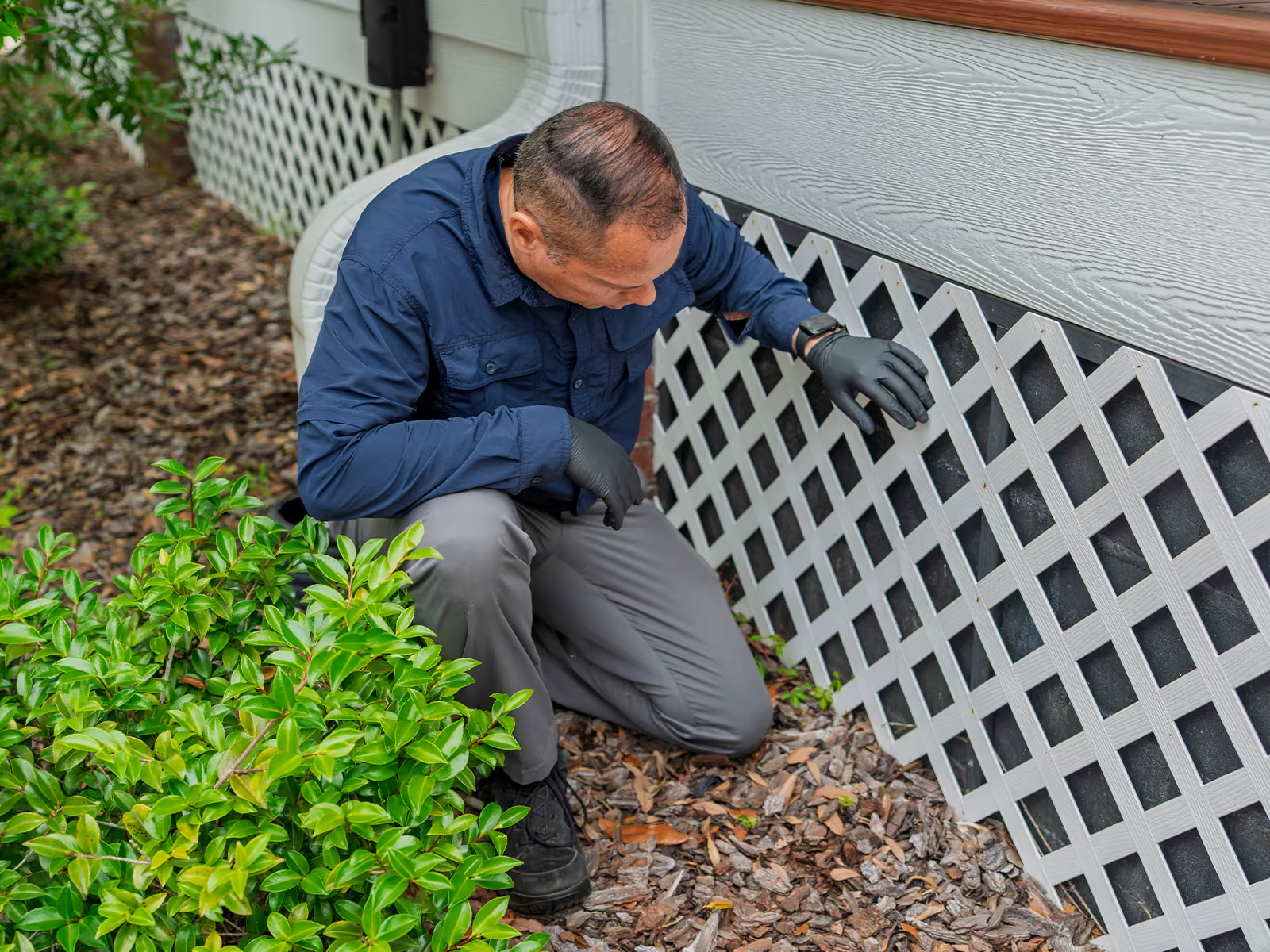
- Crawl space access doors: Damaged covers or vents can provide access beneath the house.
- Utility penetrations: Openings around pipes, cables, and other exterior connections can provide entry points.
Roof rats are especially good climbers and can use damaged soffits, roof edges, and attic vents to enter homes. Rats and mice can also take advantage of openings around garages, foundations, and utility lines.
Of course, not every damaged vent or garage door means rodents have moved in. The concern is that these openings can make entry easier.
Avoid climbing onto damaged roofs or entering unstable areas to investigate potential pest openings. If contractors are already inspecting or repairing storm damage, ask them to check for gaps that could allow pests inside.
When Should Homeowners Be Concerned About Pest Activity?
Seeing an occasional ant or large cockroach after heavy rain isn't unusual in Northwest Florida, and one insect indoors doesn't necessarily mean there's an infestation. What deserves more attention is whether the activity continues.
If ants repeatedly appear in the kitchen, cockroaches are showing up indoors several nights in a row, or there are signs of rodents in the garage or attic, it's worth having the situation evaluated.
Keep in mind that not every pest problem following a hurricane was caused by the storm. Some infestations may have already been developing, and others have little to do with rainfall or flooding.
The same applies to properties that weren't seriously damaged. Even a home that came through Isaias without significant problems can experience everyday pest activity.
Why Year-Round Pest Control Makes Sense in Northwest Florida
Hurricanes and heavy rain can temporarily affect where pests are active, but they're only part of the picture.
Northwest Florida's mild winters, warm temperatures, and humidity allow many household pests to remain active throughout the year. Ants, cockroaches, spiders, and other insects can find suitable conditions around homes long after the effects of a storm have passed.
That's why pest control shouldn't depend entirely on whether homeowners are seeing insects inside.
Patriot Pest Management's residential pest control plans provide year-round protection against a wide range of common household pests. With scheduled exterior treatments and interior service when needed, homeowners receive ongoing attention to pest activity rather than relying solely on treatment when a problem becomes noticeable.
Regular service also allows treatments to be adjusted as pest pressures change throughout the year. That's particularly valuable in our region, where pests don't disappear simply because summer is over.
Whether your home experienced storm-related pest activity or you're looking for dependable protection against everyday pest problems, Patriot can recommend a plan that fits your needs.
Get Year-Round Pest Protection From Patriot Pest Management
As Northwest Florida continues recovering from Hurricane Isaias, immediate safety concerns and property repairs should remain the priority.
When you're ready to address pest activity, Patriot Pest Management is here to help.
Based in Pace and serving Northwest Florida since 1997, Patriot Pest Management understands the pest problems homeowners face throughout Escambia, Santa Rosa, and Okaloosa counties.
Visit our residential pest control plans to compare coverage options, or request a free estimate to get started.