The house mouse is one of the most commonly found rodents inside Northwest Florida homes and businesses. Small enough to squeeze through openings about the width of a pencil, these mice often enter structures in search of food, water, and shelter.
Once inside, they can contaminate food, damage insulation and stored belongings, gnaw on wiring and other materials, and reproduce quickly if the infestation is not addressed.
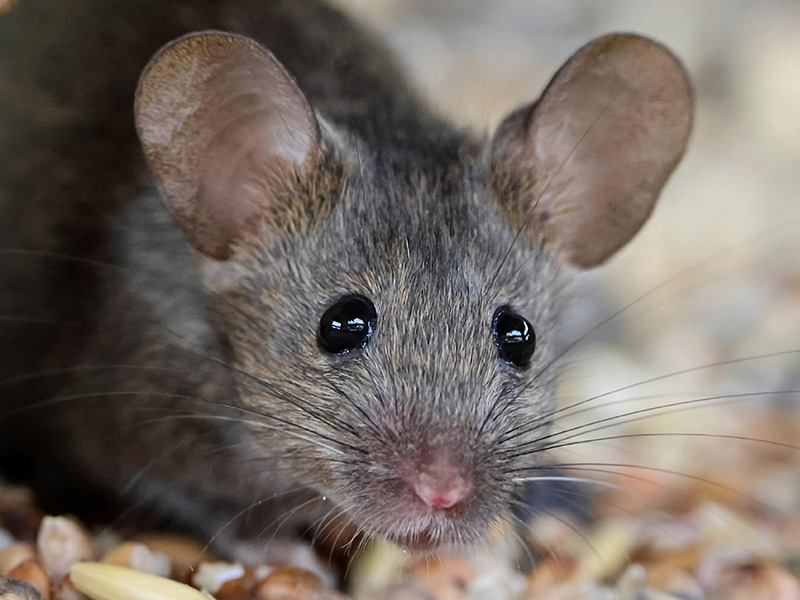
House mice have several characteristics that distinguish them from larger rodents, such as roof rats and Norway rats.
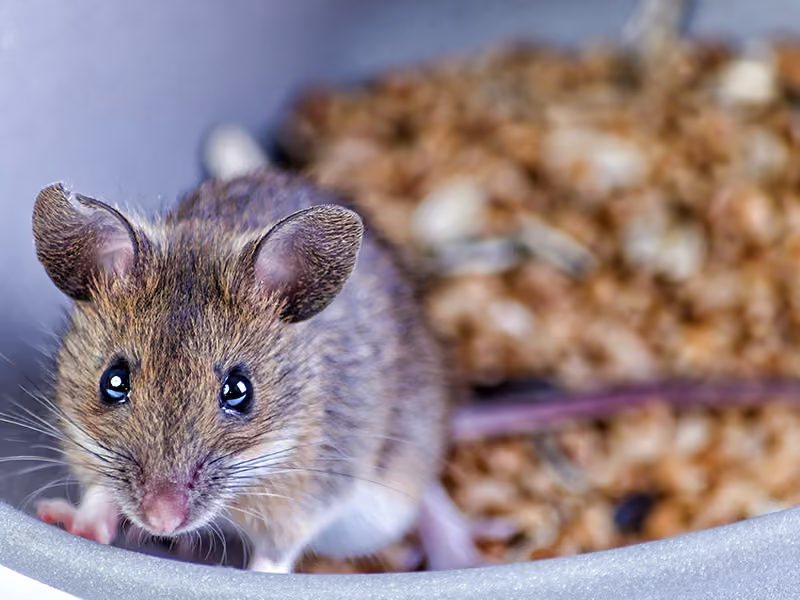
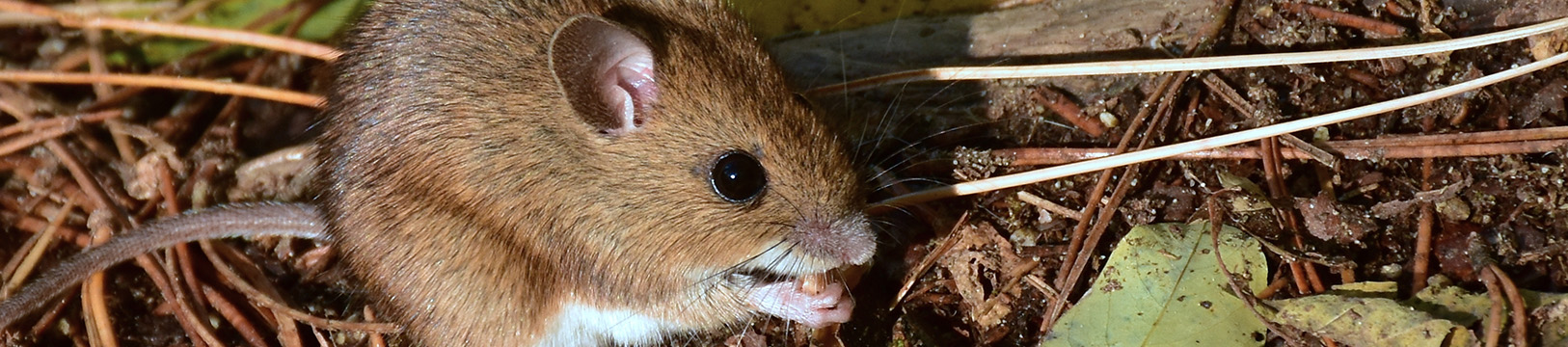
Adults typically measure 2 1/2 to 4 inches long, not including the tail, and weigh about 1/2 to 1 ounce.
Most house mice are light brown to gray with a lighter-colored belly, although color can vary.
They have relatively large, rounded ears that are easy to see.
The tail is long, thin, nearly hairless, and usually about the same length as the body.
House mouse droppings are small, dark, and rod-shaped with pointed ends. Fresh droppings are soft and dark, becoming harder and lighter over time.
Because house mice are primarily active at night, homeowners often notice signs of activity before seeing the rodents themselves.
Common signs include:
House mice are attracted to reliable food, water, and shelter. Pet food, bird seed, pantry items, garbage, cluttered storage areas, and small openings around the home's exterior can all make a property more inviting. As temperatures cool or food becomes scarce outdoors, mice are also more likely to move indoors.
Common nesting and hiding places include:
Yes, mice can contaminate food and food preparation surfaces with their droppings and urine. They also chew on wood, drywall, plastic, and electrical wiring, which can create costly damage and increase fire risk. Because they reproduce quickly, a small mouse problem can quickly escalate if left untreated.
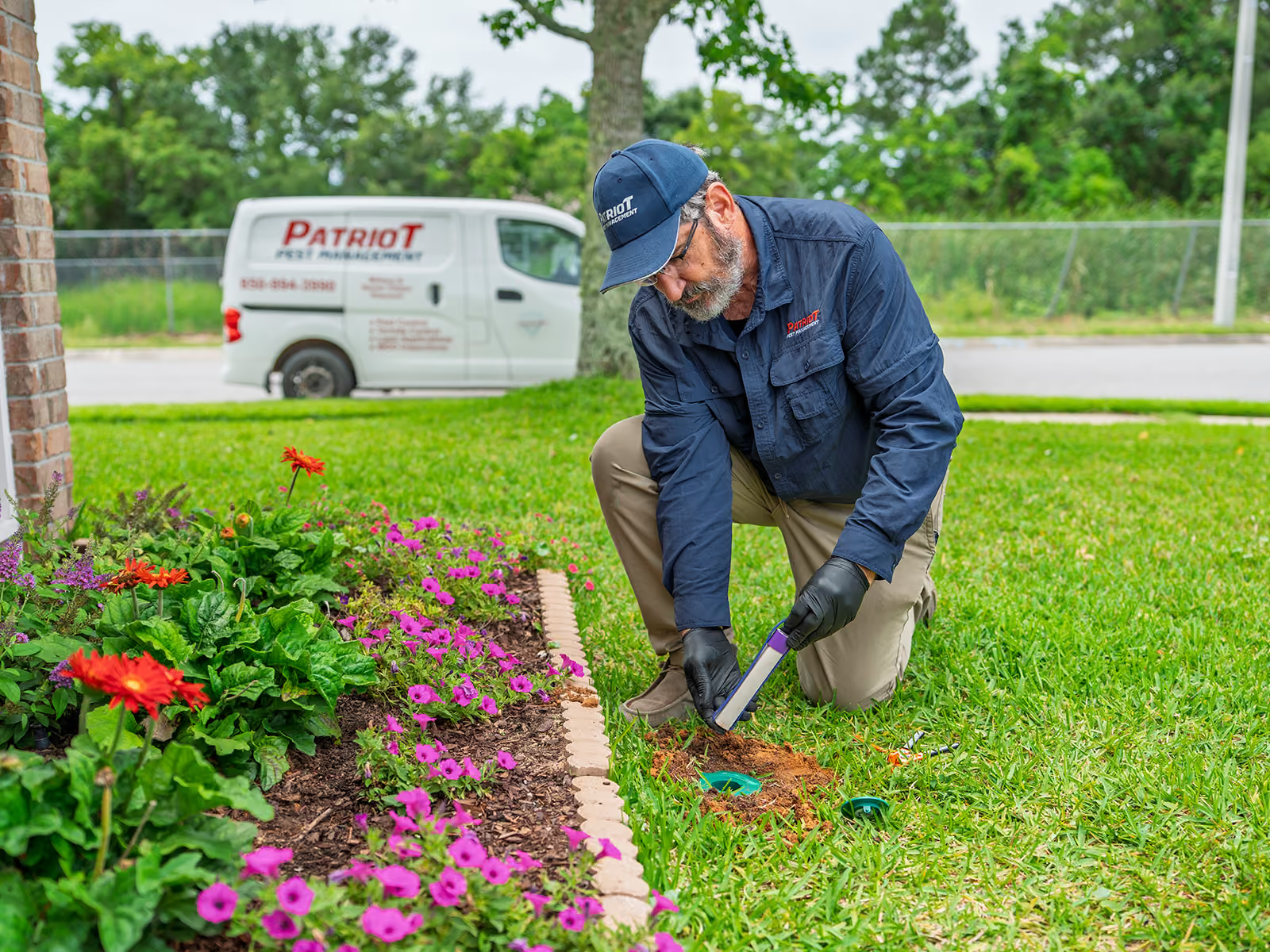
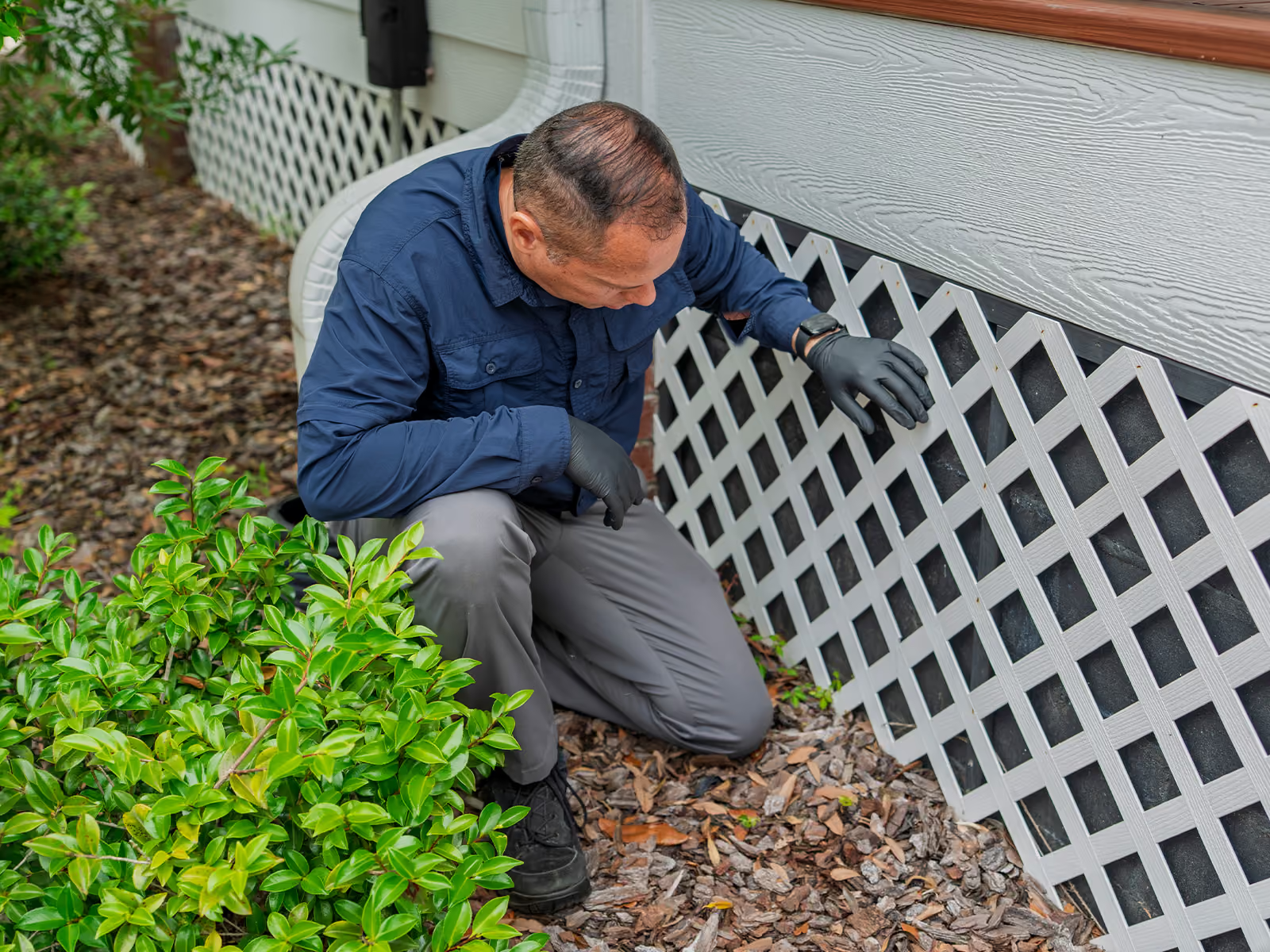
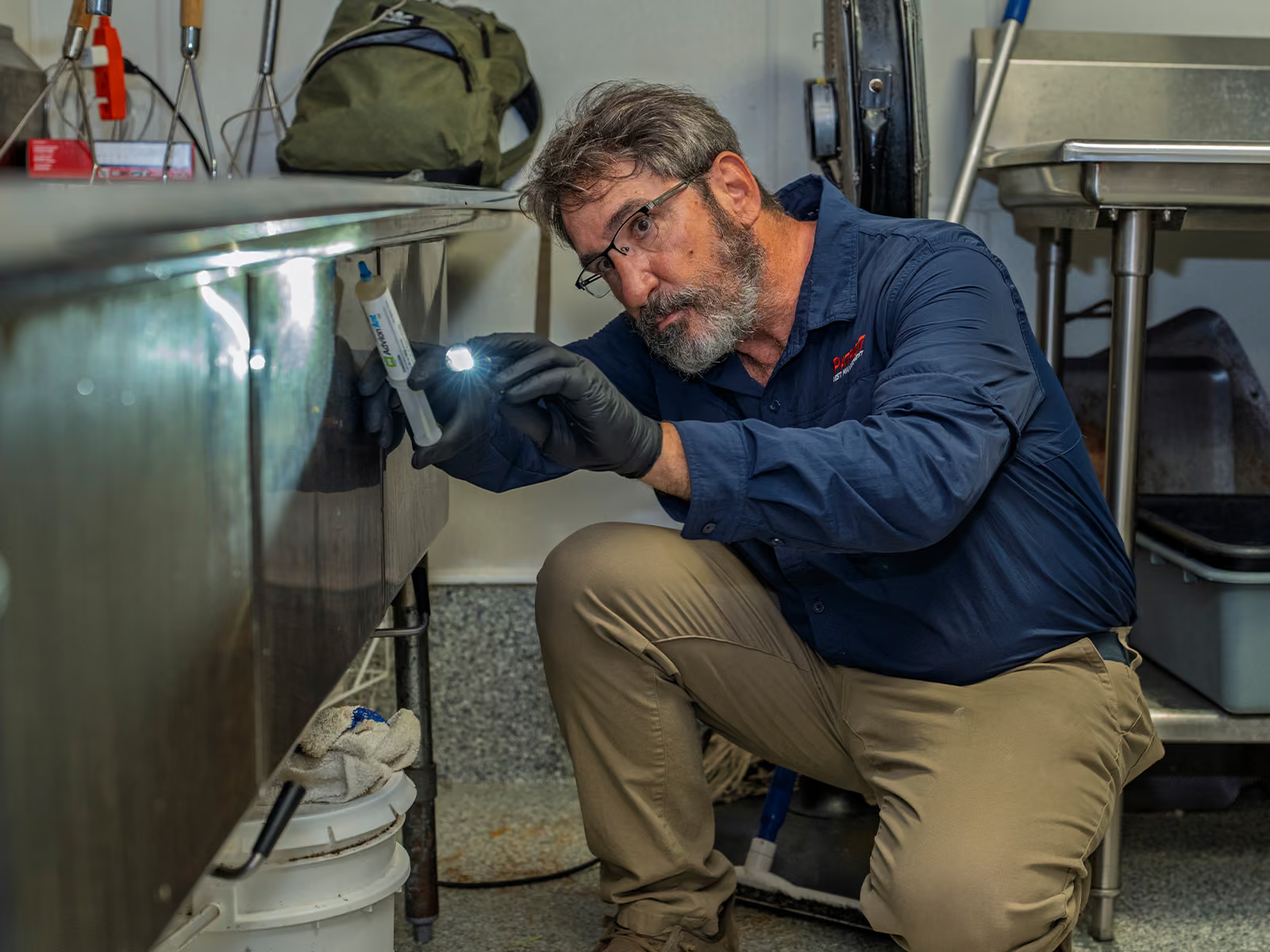
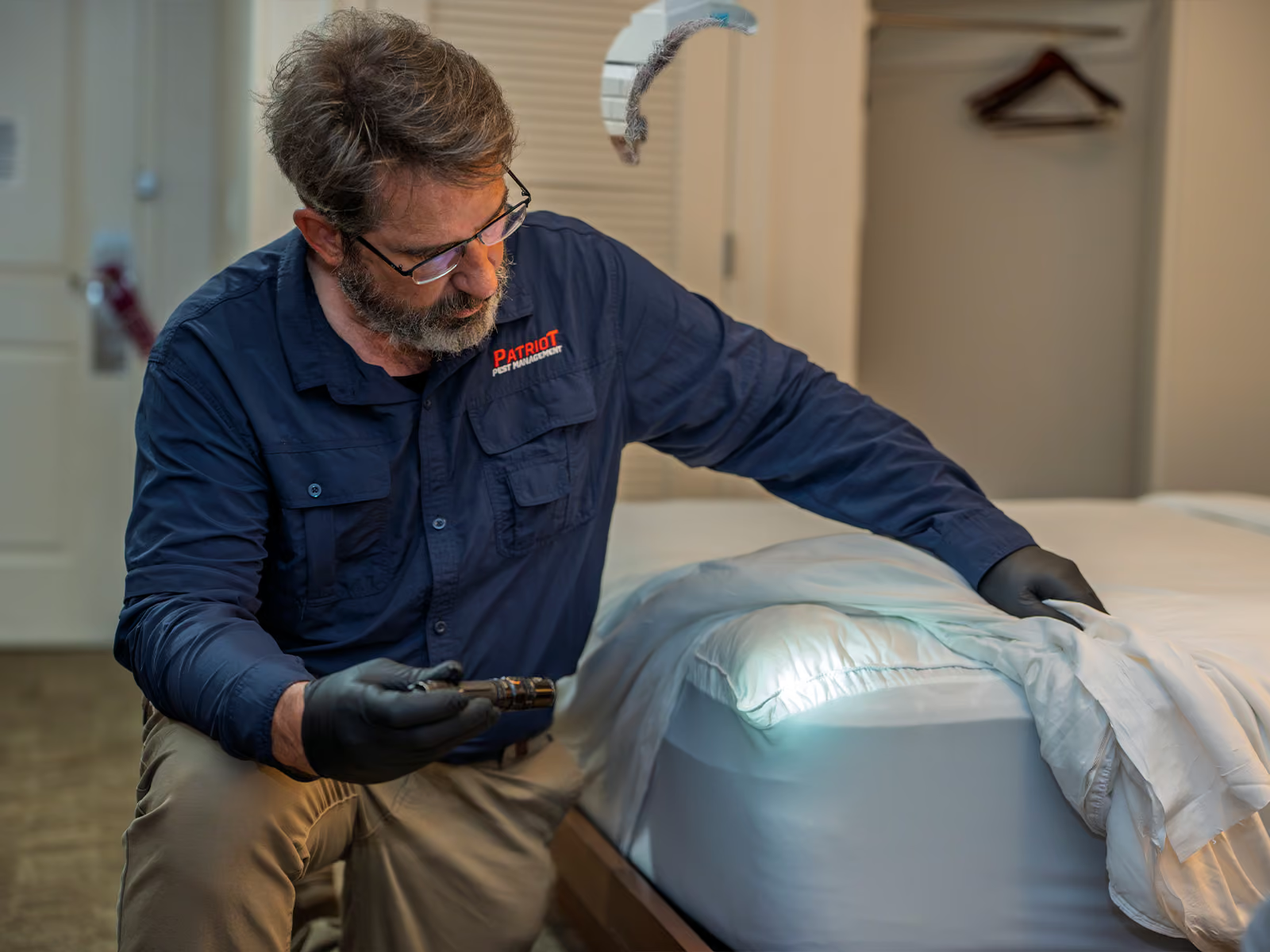
Effective mouse control begins with identifying how the rodents are entering the structure and where they are nesting. Our technicians inspect the property for entry points, nesting areas, food sources, and other conditions contributing to mouse activity.
Based on our findings, we'll recommend the most effective treatment to help eliminate the infestation and reduce the likelihood of future problems.
Mice are included in Patriot Pest Management’s home pest control plans for an additional fee, and we also offer rodent control for businesses throughout Escambia, Santa Rosa, and Okaloosa counties.
Yes. House mice are capable climbers and can reach upper cabinets, shelves, attics, wall voids, and other elevated areas. Their ability to climb can make the infestation seem more widespread than expected.
Not usually. Seeing one mouse can mean others are nesting nearby, especially when droppings, gnaw marks, or nighttime noises are also present.
Usually not. Once mice find dependable food, water, and shelter, they are likely to remain and reproduce until the infestation is addressed.
If you've seen a house mouse, found droppings, or noticed other signs of rodent activity, don't wait for the problem to grow. Patriot Pest Management provides professional pest control for homes and businesses throughout Escambia, Santa Rosa, and Okaloosa counties. Contact us today to request your free estimate.

When other companies came up short, Patriot Pest found the solution and delivered results. They arrive on time, communicate clearly, and stand behind their work with integrity. Great people, outstanding service, and a company you can trust. If you need pest control done right the first time, Patriot Pest is the company to call.
Jesa S.
Pace, FL

5 stars all around, courteous, prompt, communicated exactly with he was doing and how to keep the pets safe! Pay that man! It was simple, easy and fast!
Tim F.
Pensacola, FL

Mario with Patriot Pest is fantastic to work with. He’s professional, easy to communicate with, and always delivers great customer service. Highly recommend Carlos and the team with Patriot Pest Management!
Rebekah K.
Pace, FL






Helpful Tips & Info