
How Can You Tell It's Rats?
Rats are secretive and mostly nocturnal, so you'll often find the evidence long before you see the animal. Common signs include:
- Scratching or scurrying sounds in the attic or walls, especially at night
- Dark, capsule-shaped droppings along walls, in corners, or near food. Rat droppings are larger than mouse droppings, which are closer to the size of a grain of rice
- Gnaw marks on wood, wiring, plastic, or stored items. Fresh marks tend to look rough, while older ones wear smooth
- Greasy, dark rub marks along beams, pipes, and walls where rats travel the same route again and again
- Damaged food, including hollowed-out fruit from backyard trees and torn pet food or pantry bags
- Chewed wiring, which is more than a nuisance, because gnawed wires can be a fire hazard
Keep in mind that seeing one rat rarely means there's only one. A single sighting can point to a nearby nest, and rat populations grow quickly (more on that below).
Not sure what you're dealing with? Mice leave many of the same signs, including scratching in the walls, gnaw marks, and rub marks, so the signs alone don't always tell you which pest you have.
Our guides to house mice, roof rats, and Norway rats can help you tell them apart. An inspection can confirm what's actually there.
Where Are the Rats: Above You or Below You?
Rats around a home tend to settle in one of two zones, and which one matters more than most people realize.
Overhead. Roof rats are climbers. They travel along tree limbs, fences, and utility lines, then settle into attics, soffits, roof voids, wall voids, and insulation.
At ground level. Norway rats stay low. They favor crawl spaces, garages, and lower levels of a building, as well as spots beside foundations, under porches and sheds, and around woodpiles, debris, and garbage areas.
This is where a lot of DIY efforts go sideways. A trap on the garage floor does nothing about a roof rat that reaches your attic without ever touching the ground. Because roof rats are so tree-oriented, they can get into attics and fruit trees without ever coming down to ground level.
Why DIY Rat Control Fails
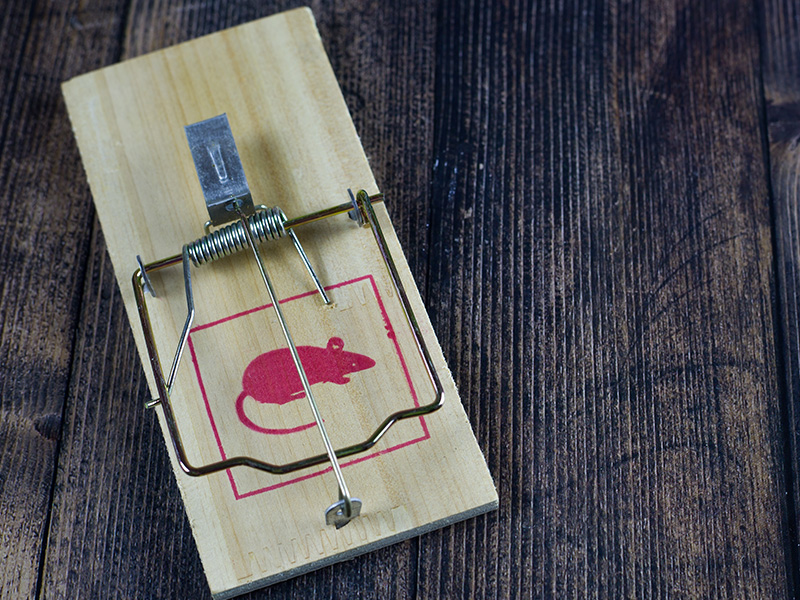
Store-bought traps and bait may catch a few rats, but they rarely solve the whole problem and may create additional issues. Here are five reasons DIY rat control falls short.
1. You're Catching Rats, Not Closing the Way In
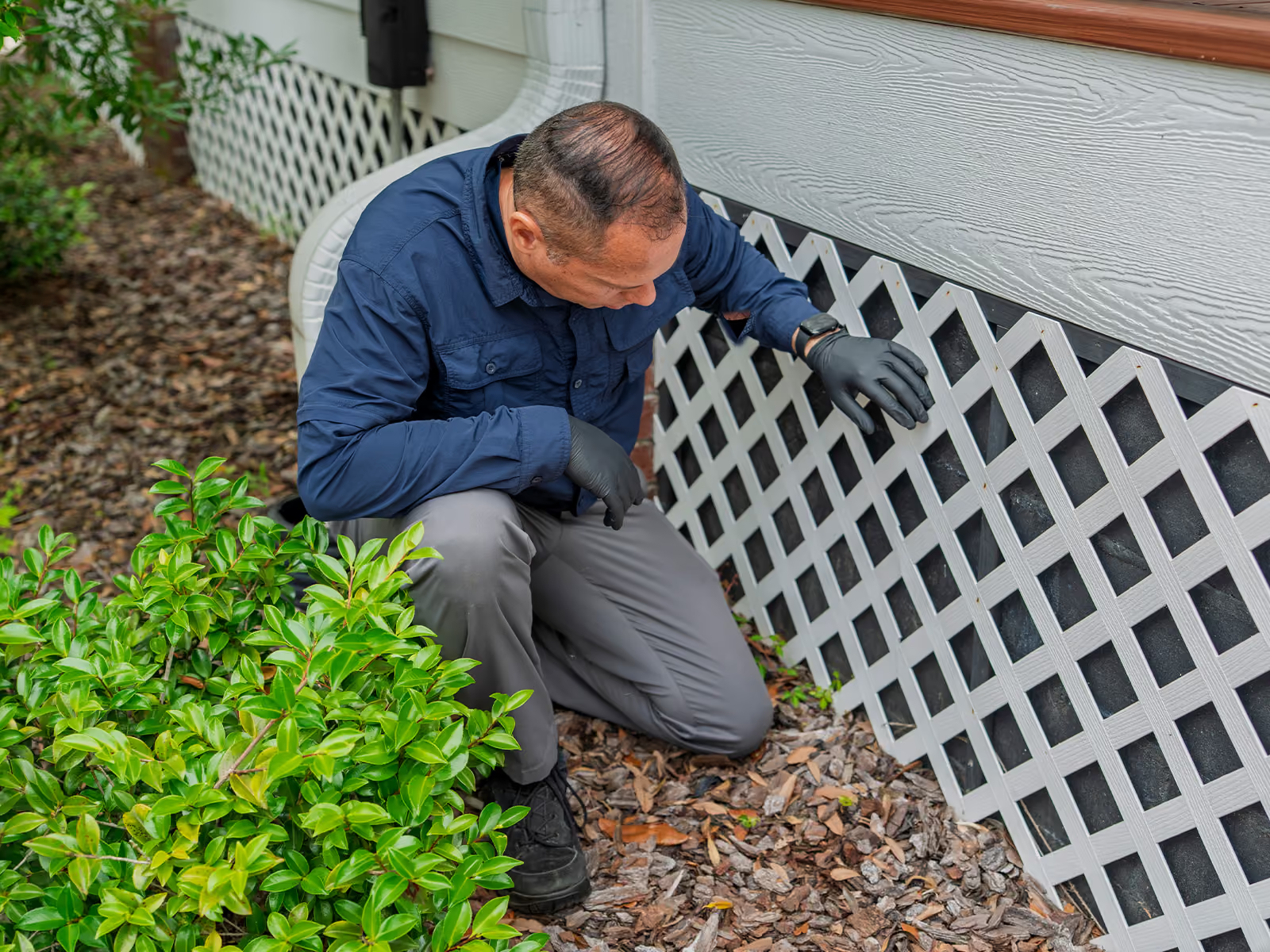
Rats get into homes through gaps around roof vents, soffits, chimneys, utility lines and pipes, foundations, and poorly sealed doors. The National Pest Management Association notes that a rat can fit through a hole about the size of a quarter. A home can have more than one opening like that, and rats gnaw through wood, plastic, and even lead pipe, so a quick patch with something soft may not hold.
Trapping without sealing invites the next rats into the same gaps. Sealing without a plan for the rats already inside leaves you with a different problem. The two jobs need to happen together.
2. Rats Avoid What They Don't Recognize
Roof rats are nervous and cautious around new objects in their environment, so it’s best to leave a trap in the same spot for at least a week before moving it. Norway rats are creatures of habit, too, and will quickly avoid a food they don't like.
That means an untouched trap after one night doesn't prove the rats are gone. And moving traps around every morning, which may seem logical, can work against you.
3. Traps Get Set in the Wrong Places
Norway rats tend to follow the same route between shelter and food or water, often along walls, feeling their way with their whiskers. Roof rats run along fence rails, branches, and wires. Finding those routes means reading the rub marks and droppings. A trap set a few feet off the route may never be encountered at all.
4. Rats Multiply Faster Than DIY Can Keep Up
Rats reach breeding age within a few months and can produce multiple litters each year. Catching a handful does not solve the problem if others remain and continue breeding.
5. Poison, Gadgets, and Cats Aren't the Answer
Poison. Bait can create new problems. A poisoned rat doesn't always die outside. It can make its way into a wall or attic, where it dies and leaves an odor that's hard to trace and harder to reach. Pets and wildlife can also be poisoned by eating rodents that have consumed bait, which is why the EPA requires consumer products to include bait stations and no longer allows homeowners to purchase the most hazardous ingredients.
Gadgets. There is no solid evidence that ultrasonic or electromagnetic devices drive rodents out of their home range.
The family cat. A cat can seem like free rat control, but an adult rat is a much tougher opponent than a mouse. Adult rats will fight back if cornered, so cats tend to stick to easier prey. A cat may catch a young rat, but rarely an adult on its home turf. Rats can also adjust their routes to steer clear of a cat, so a cat may just make them harder to spot, not make them go away.
At Patriot, our approach to pest control emphasizes non-chemical methods first, like sanitation and exclusion. When chemicals are necessary, we use the least toxic options and apply them strategically to minimize risk to your family, pets, and the environment.
Why Call Patriot at the First Sign of Rats?
The best time to call is when you first notice something, not after you've tried a few things yourself. A single sighting or a few droppings can mean there's already a nest nearby, and with rats breeding year-round, every week you wait gives the problem more time to grow. Rats also chew wiring, which can be a fire hazard. Early on, an inspection can identify entry points and what is attracting rats to your property before the damage adds up.
If you notice any of the signs above, or see even one rat, contact Patriot Pest Management before you buy a single trap.
What Works Instead: An Inspection First, Then Ongoing Pest Control
Controlling rats is not a one-step job. Here's how we approach it at Patriot Pest Management:
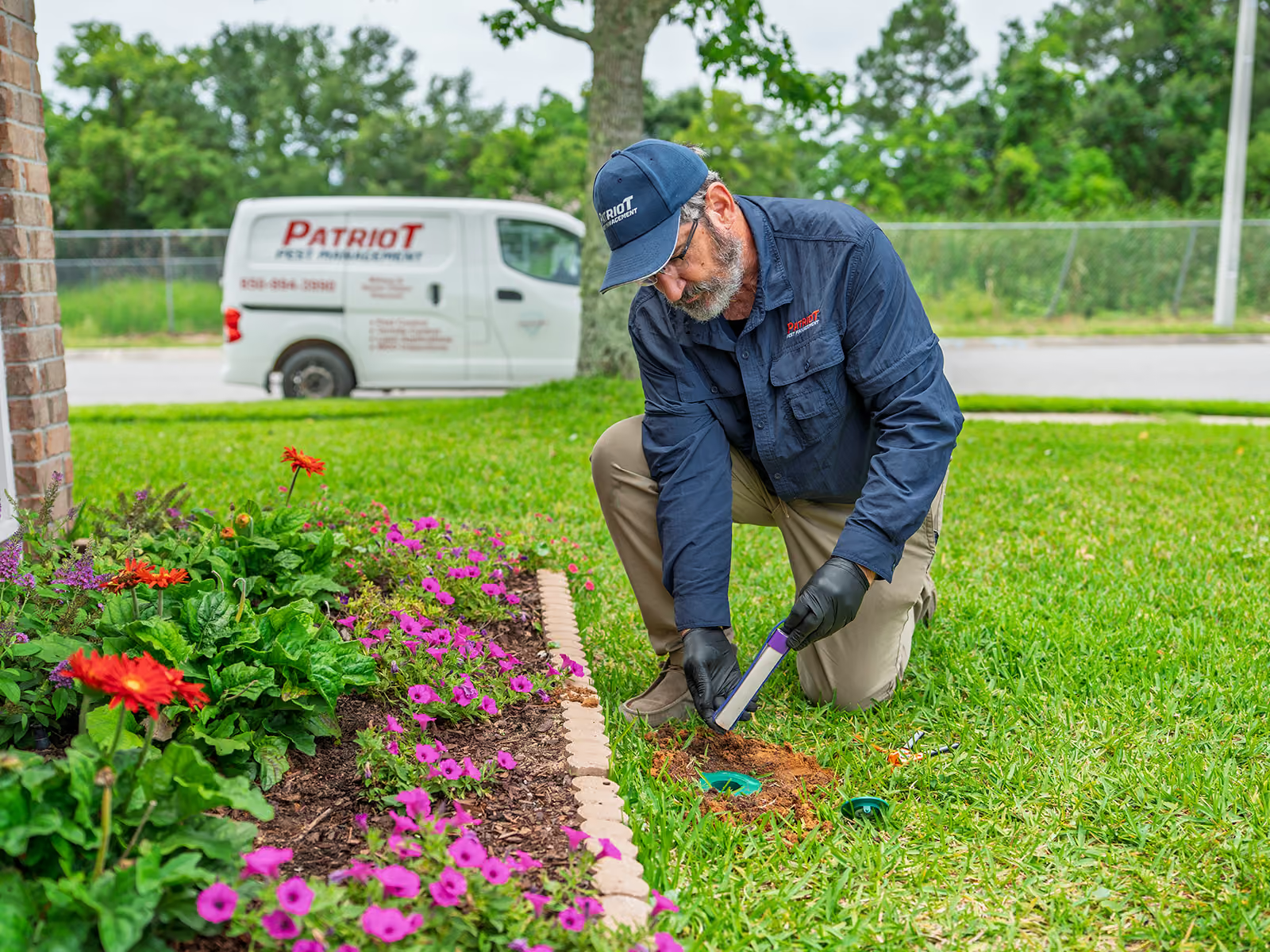
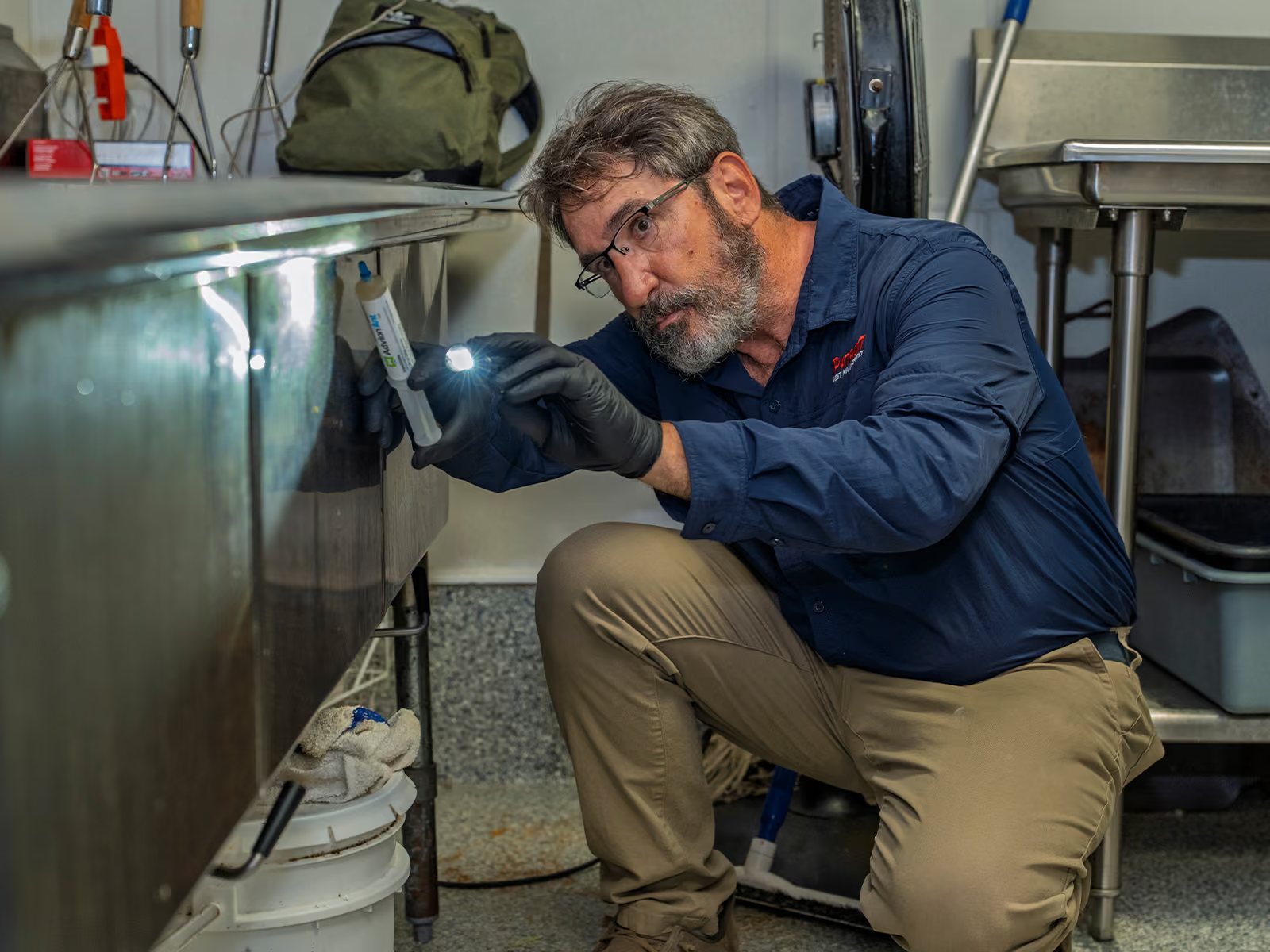
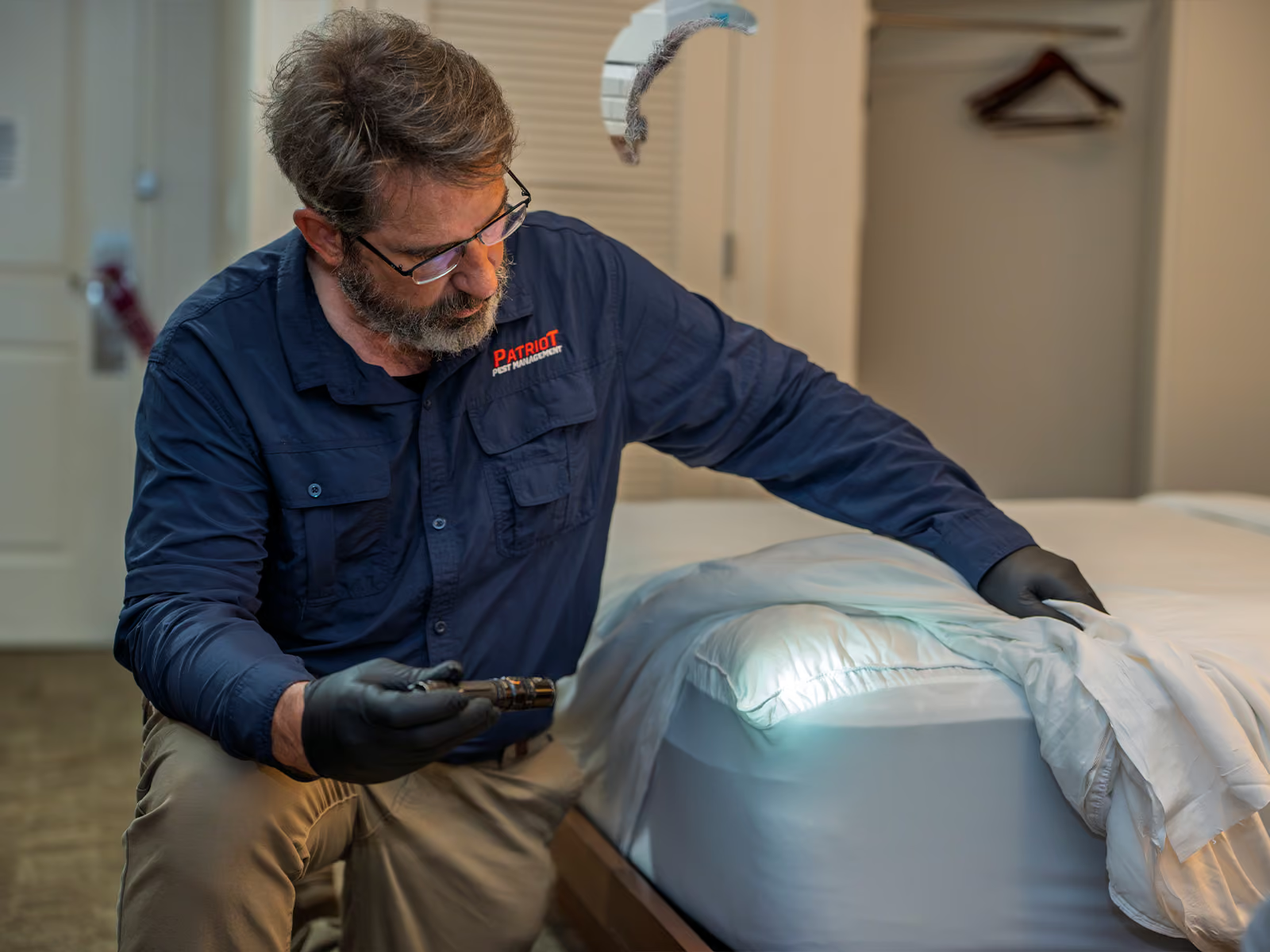
- We start with an inspection. We look for nesting areas, entry points, and conditions that draw rats to your property, and then recommend a plan that fits your situation.
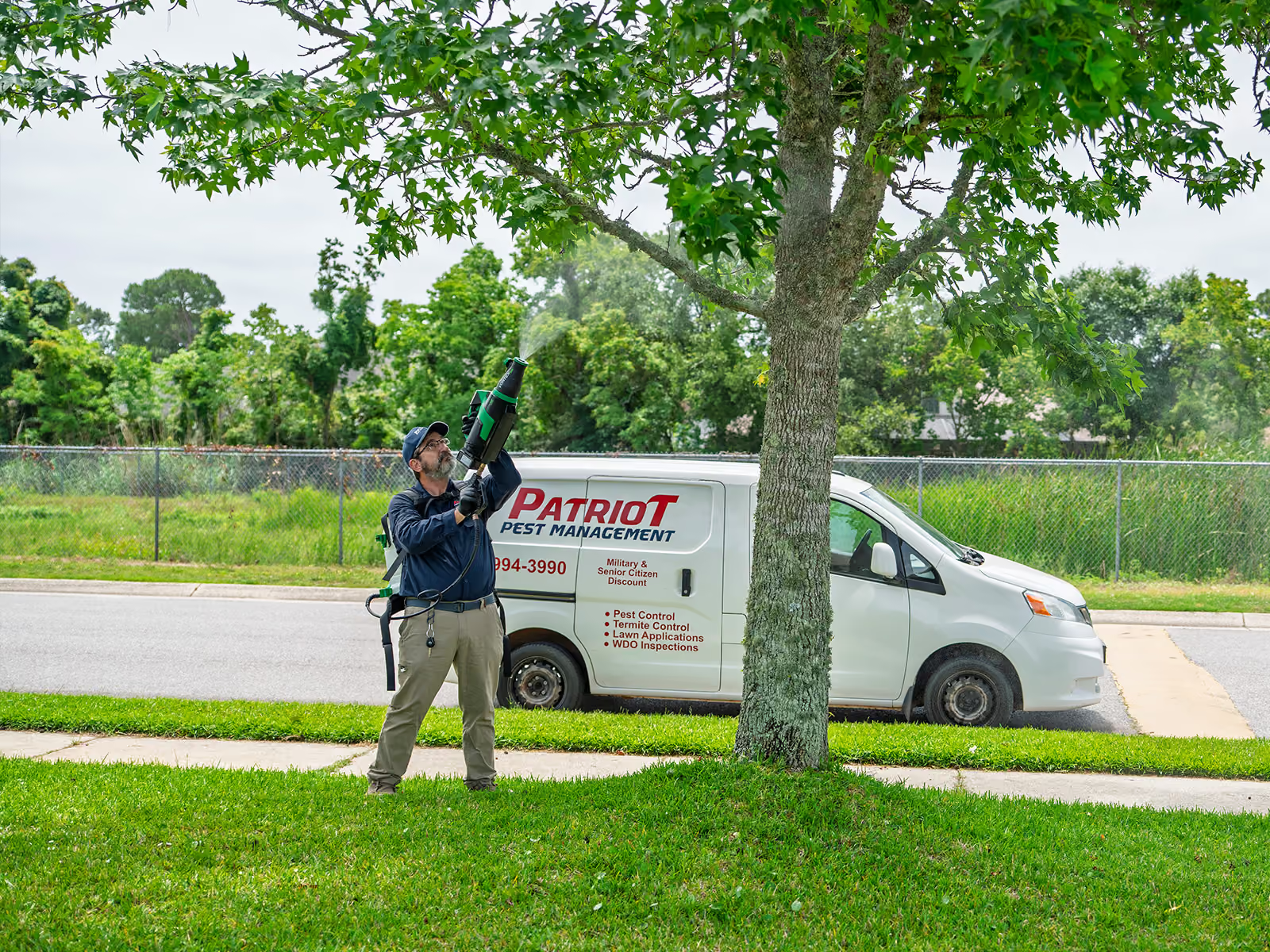
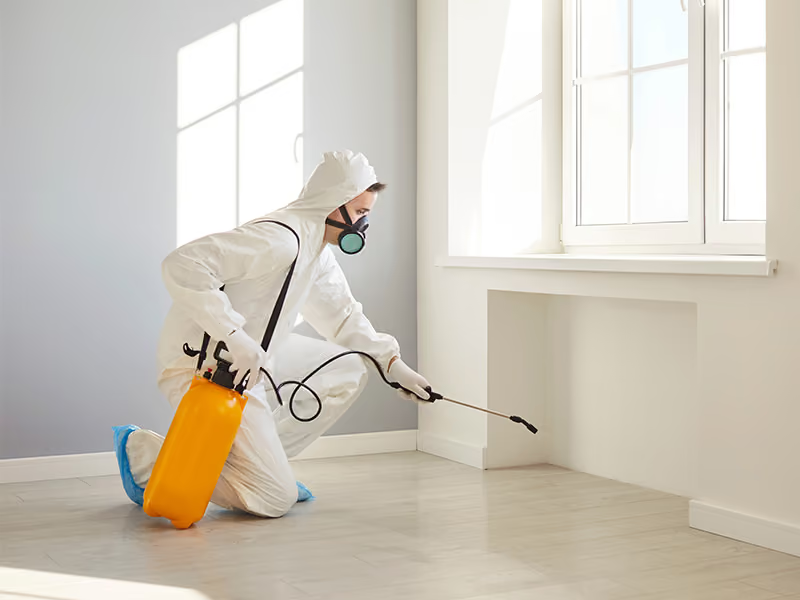
- We treat the problem. Once we know what we're dealing with, we put the right treatment plan in place for your infestation.
- We stay on the job. Our home pest control plans include rodent protection, with routine visits through the year so we can monitor activity and make adjustments as needed, rather than waiting for you to hear something in the attic again.
Let Us Handle the Rats
If you're hearing, seeing, or finding signs of rats, call Patriot Pest Management at (850) 332-9299 or request your free estimate online.