
For any restaurant owner in Northwest Florida, the words "health inspection" can trigger a wave of anxiety. You and your team work tirelessly to create delicious food and a welcoming atmosphere, but a single failed inspection can jeopardize everything. One of the most common and critical reasons for receiving a poor score is the presence of pests. The answer to the question, "Can pest control help prevent failed health inspections?" is an unequivocal yes. Proactive, professional pest control isn't just a reactive measure; it's a fundamental pillar of a successful food service operation, safeguarding your reputation, your customers, and your bottom line.
Pest-related violations can lead to severe consequences, including hefty fines, mandatory closures, and irreversible damage to your brand's reputation in communities like Pensacola, Pace, and Milton. A single social media post or news article about a pest issue can undo years of hard work. This makes investing in a robust pest management plan one of the most important decisions a restaurateur can make.
Why Pest Issues Cause Health Inspection Failures
Health inspectors are meticulously trained to identify any condition that could compromise food safety, and pest activity is a major red flag. A violation isn't just about spotting a live pest; it encompasses any evidence suggesting a potential infestation. This includes droppings, gnaw marks on packaging or structures, nesting materials, and even conditions that attract pests, such as unsealed cracks in walls or poor sanitation practices.
The reason for this strictness is simple: pests are primary vectors for disease. They travel through unsanitary environments like sewers and garbage receptacles before crawling over food preparation surfaces, utensils, and stored ingredients. This process directly transmits dangerous pathogens like Salmonella, E. coli, and Listeria, creating a significant risk of foodborne illness. When an inspector identifies signs of pests, they see a direct threat to public health, which immediately results in health code violations and a lower inspection score. A comprehensive plan for professional pest control services is your first line of defense against these critical failures.
Common Pests in Commercial Kitchens
Commercial kitchens offer an ideal environment for pests: a reliable supply of food, water, warmth, and shelter. Understanding the most common invaders is the first step in creating an effective defense.
- Cockroaches: German and American cockroaches are especially prevalent in food service establishments. They are nocturnal, reproduce rapidly, and can hide in the smallest of crevices. Their presence is a serious health hazard, as they are known to carry dozens of types of bacteria. For more details on these resilient pests, you can learn about roaches and the dangers they pose.
- Rodents: Rats and mice not only contaminate food with their droppings and urine but also cause structural damage by gnawing on wiring, plumbing, and building materials. A single rodent sighting can be indicative of a much larger, hidden population. Understanding the habits of rodents is crucial for effective prevention.
- Flies: House flies, fruit flies, and drain flies are more than just a nuisance; they are potent carriers of disease. They feed on decaying organic matter and can transfer pathogens to any surface they land on, from a cutting board to a customer's plate. Specific strategies are often needed to control different types of flies.
- Ants: While seemingly less threatening, ants can quickly form extensive trails, invading stored products and contaminating sterile areas. Certain species can also cause damage to property. Learning about the behaviors of ants helps in managing these persistent insects.
How Professional Pest Control Supports Inspection Readiness
A professional pest management partner does far more than simply spray for bugs. They implement a strategic, multi-faceted program designed to keep your establishment consistently compliant and pest-free. This approach, often called Integrated Pest Management (IPM), is the gold standard for food service pest control.
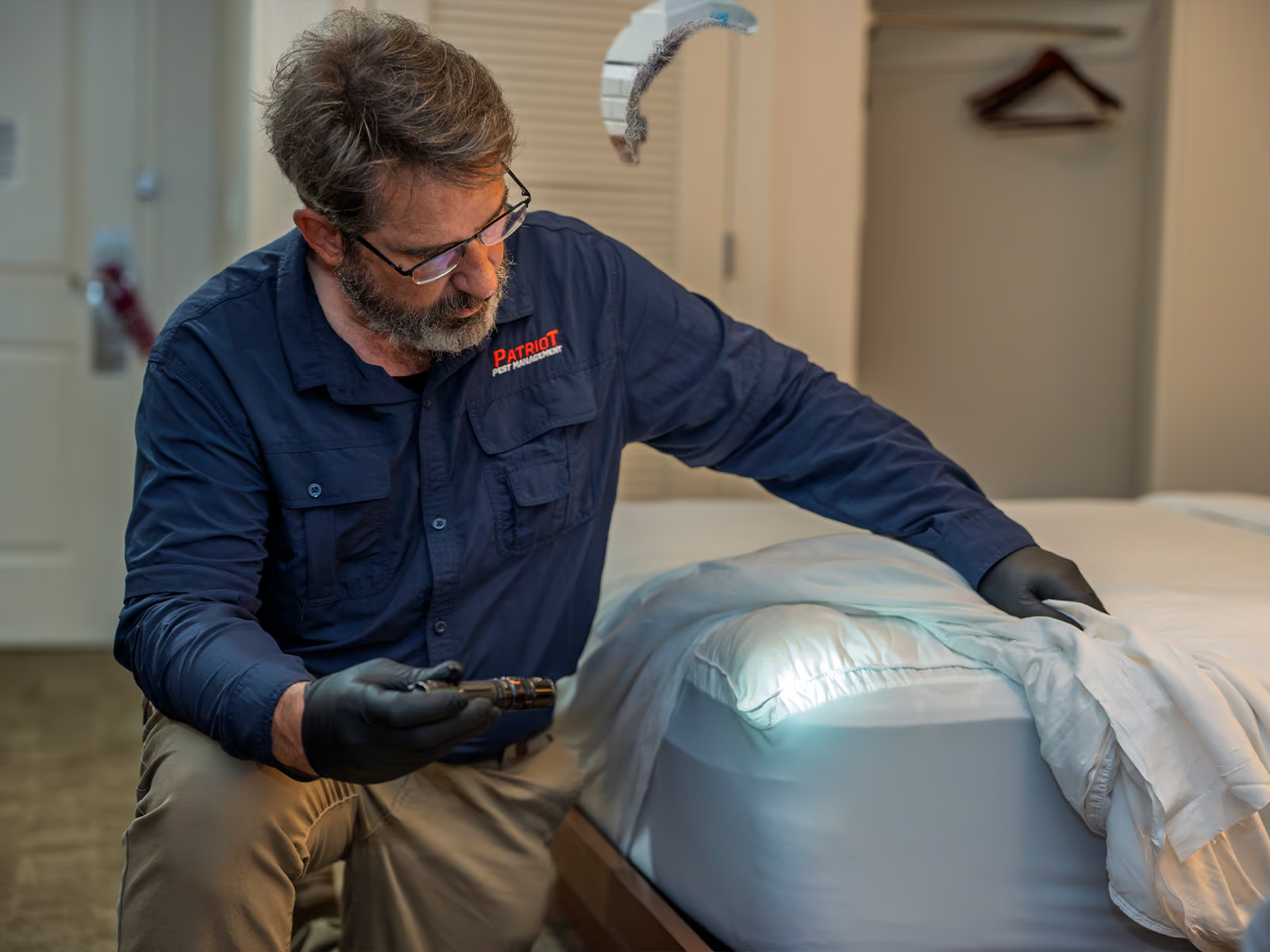
The process begins with a thorough inspection of your entire facility, from the dining room and kitchen to storage areas and outdoor dumpsters. A trained technician identifies not only existing pest activity but also potential risk factors and vulnerabilities. Based on this assessment, they develop a customized plan that includes:
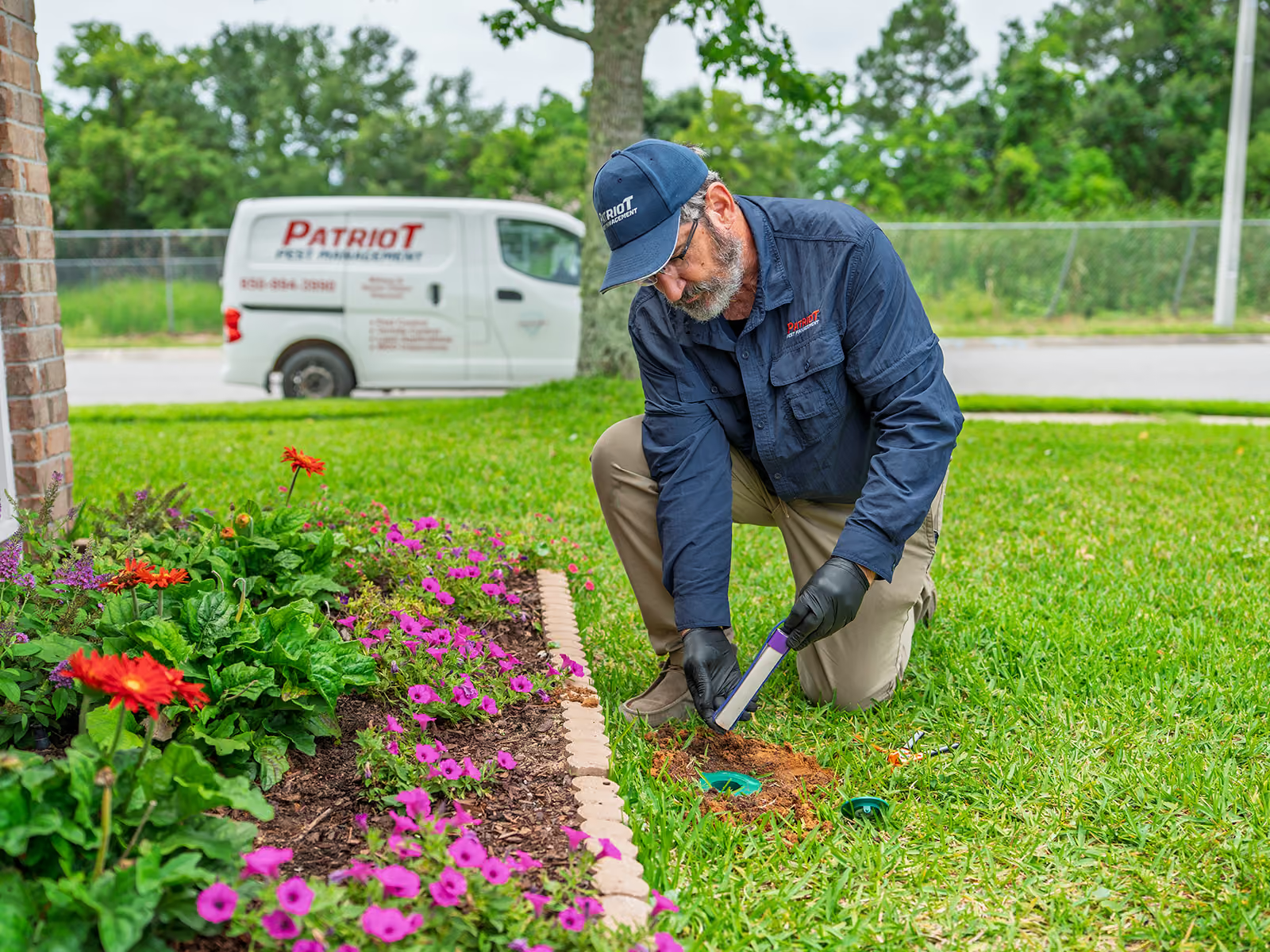
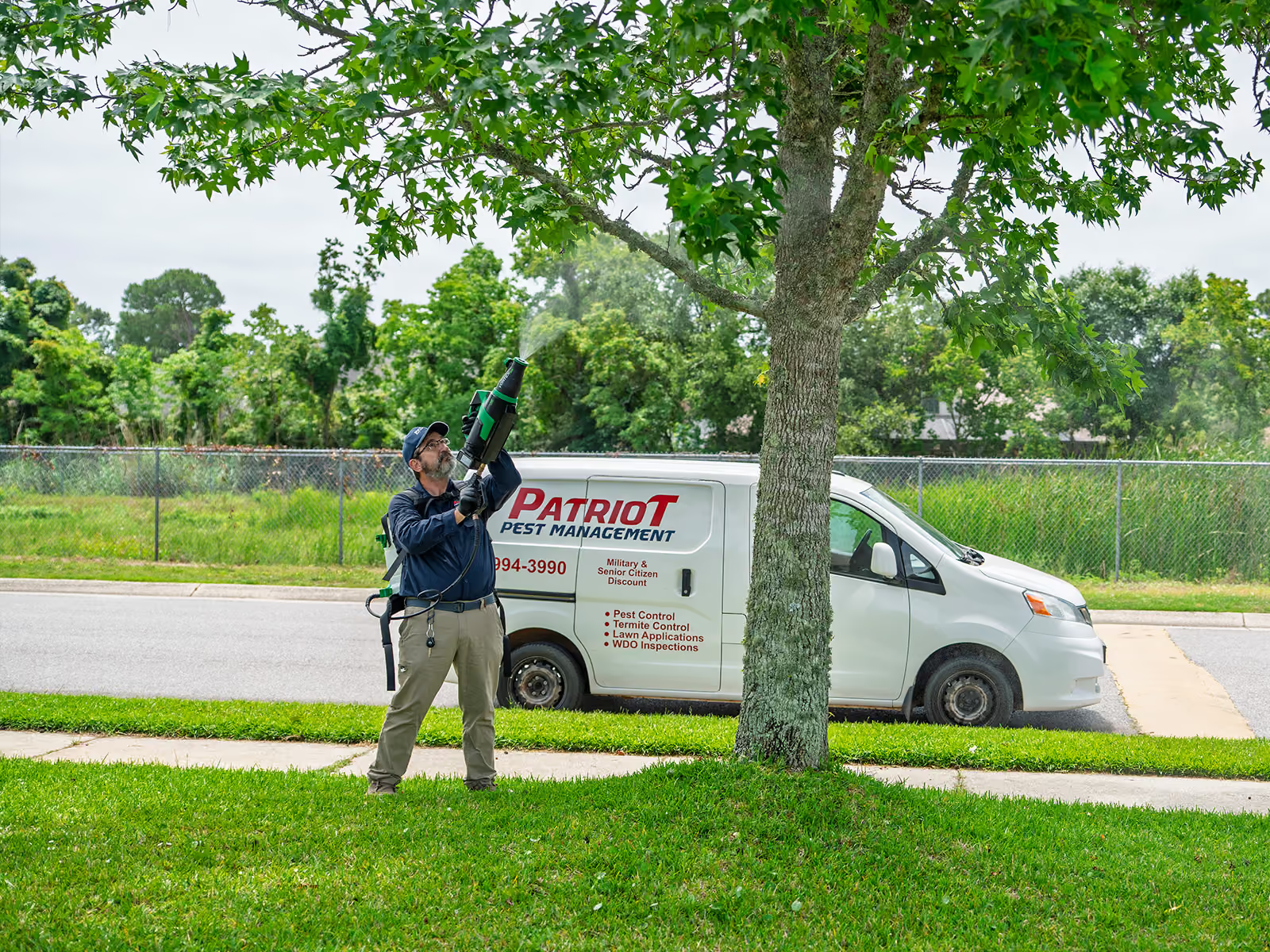
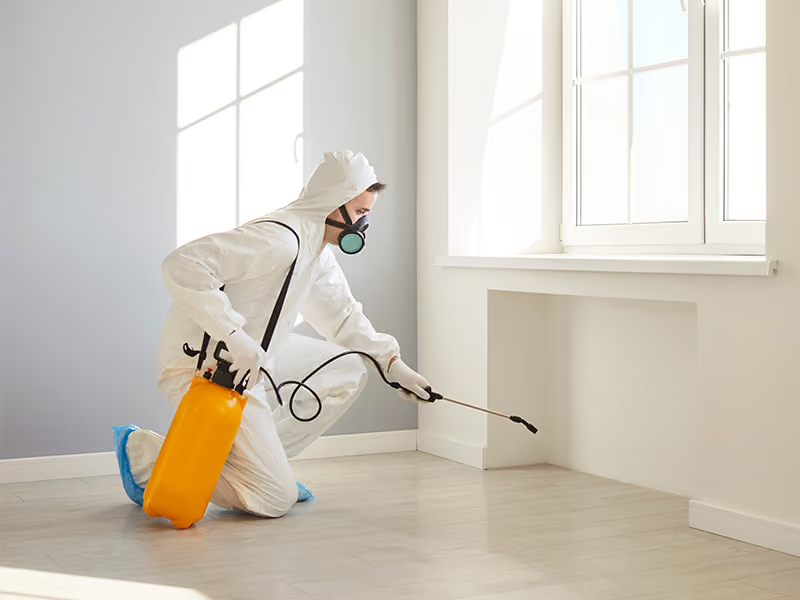
- Preventative Treatments: Applying targeted, low-impact treatments to create a protective barrier around your property and in key areas, preventing pests from getting inside in the first place.
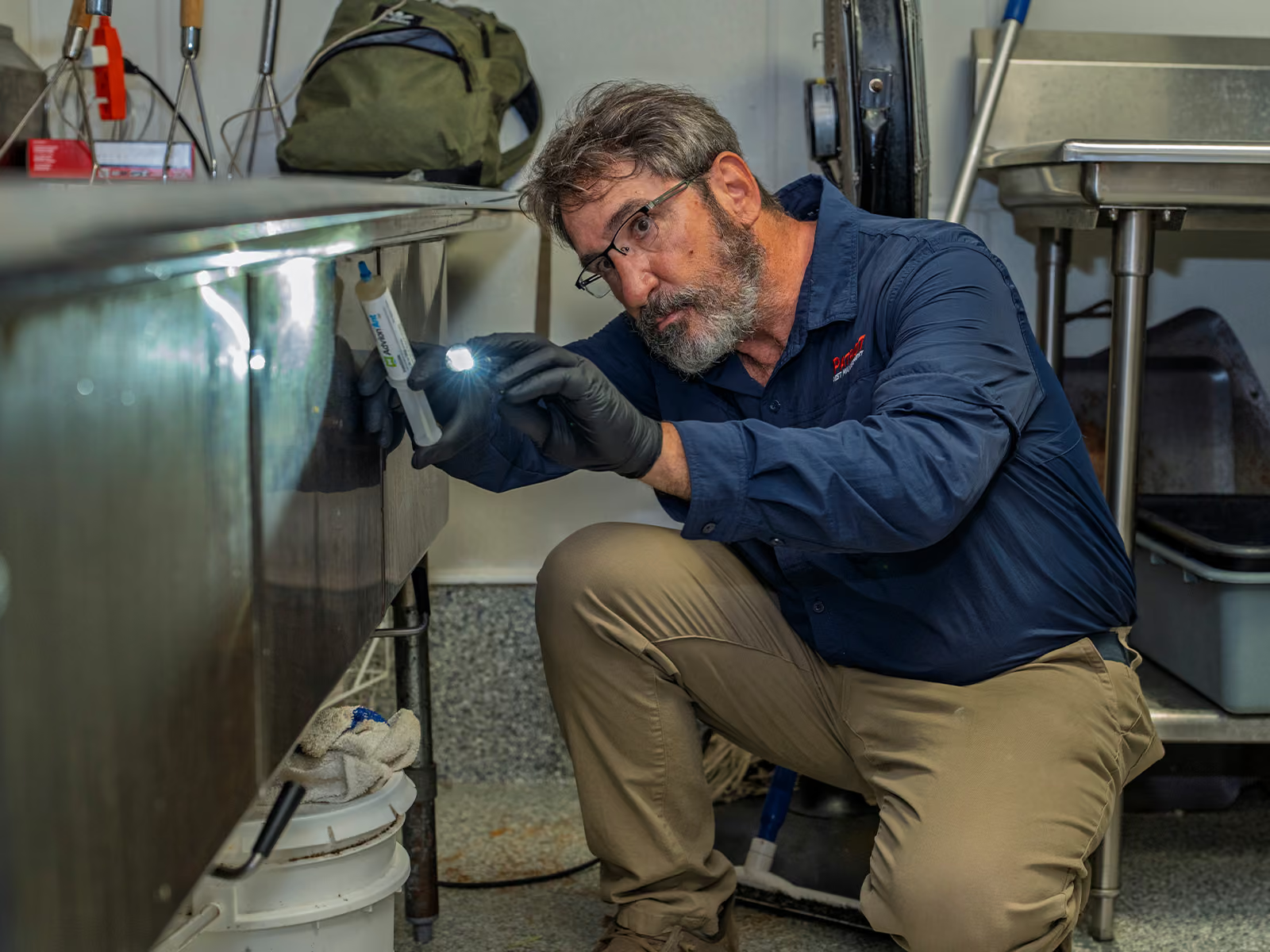
- Targeted Monitoring: Strategically placing and regularly checking monitoring devices (like bait stations and insect traps) to detect pest activity early, before it can escalate into a full-blown infestation.
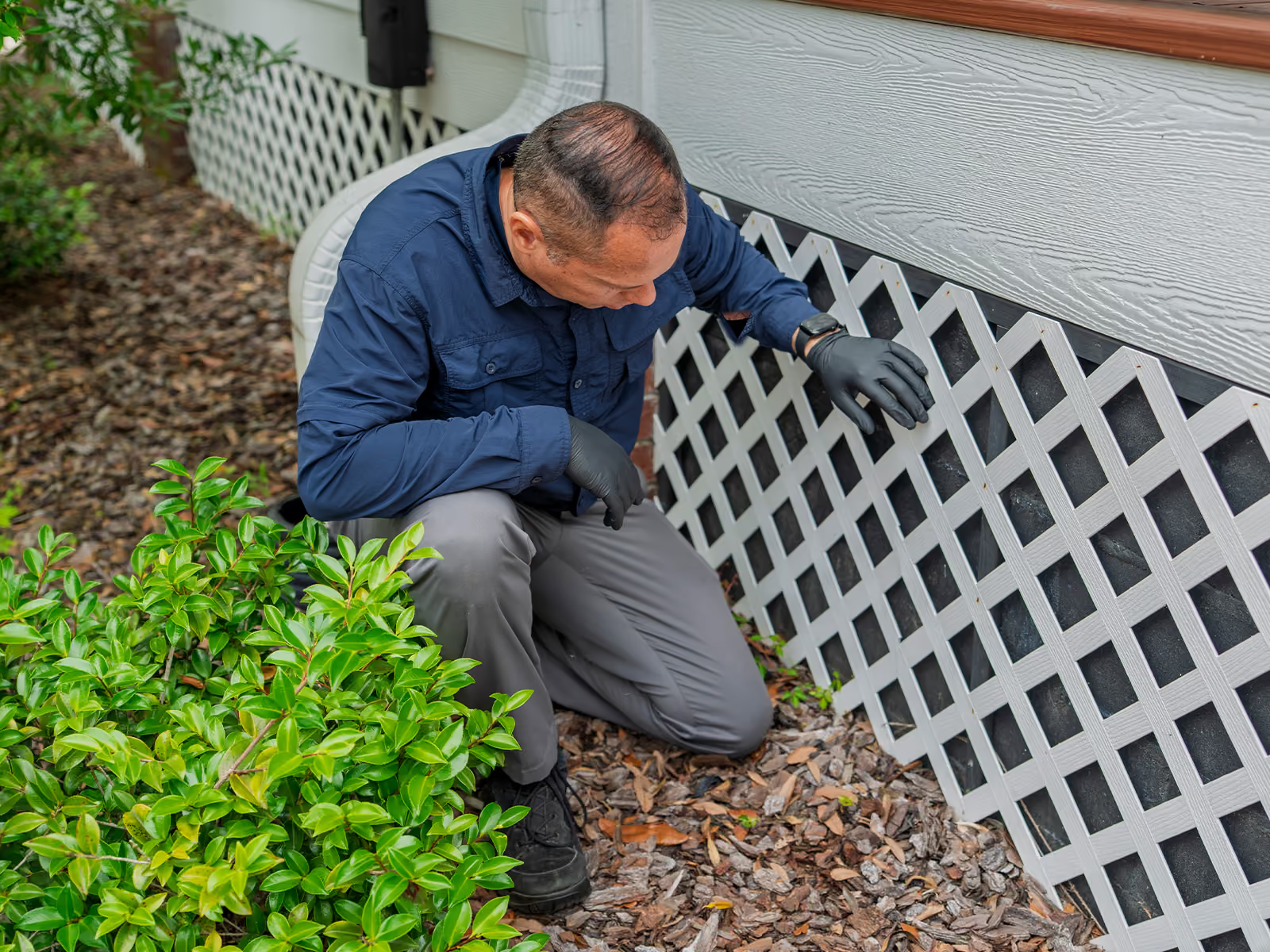
- Exclusion Recommendations: Providing expert advice on sealing pest entry points, such as cracks in the foundation, gaps around pipes, and damaged door sweeps.
- Sanitation Consulting: Offering guidance on best practices for waste management, food storage, and cleaning protocols to make your restaurant less attractive to pests.
This systematic and proactive approach ensures your business is always prepared for a surprise inspection, rather than scrambling to fix problems at the last minute.
Preventative Pest Control vs. Reactive Treatments
Many business owners make the mistake of waiting until they see a pest before calling for help. This reactive approach is not only less effective but often more costly and disruptive. When you see one pest, there are likely many more hidden away. Emergency treatments to control an established infestation can require shutting down parts of your kitchen, discarding contaminated inventory, and can still leave you at risk during an impending inspection.
In contrast, a preventative pest management plan is a continuous, long-term strategy. It focuses on keeping pests out from the start and maintaining a hygienic environment. This ongoing partnership is far more effective for consistently passing health inspections. It’s a cost-efficient investment in your business’s longevity and reputation, providing peace of mind and demonstrating to health authorities that you are committed to the highest standards of food safety compliance. For more insights on various pest-related topics, feel free to explore our blog.
Documentation and Reporting for Health Inspections
One of the most valuable components of a professional pest control program is the detailed documentation it provides. Health inspectors want to see proof that you have a proactive pest management plan in place. A professional provider will maintain a logbook or provide detailed service reports after every visit.
This documentation typically includes:
- Dates and times of service.
- Areas inspected and treated.
- Materials used and application methods.
- Pest activity observed and any trends noted.
- Corrective actions taken and recommendations for your staff.
Presenting this logbook to an inspector demonstrates due diligence and a serious commitment to upholding health code regulations. It transforms pest control from a mere reaction into a documented, verifiable component of your food safety program, which can significantly influence your inspection outcome.
Commercial Pest Control Services by Patriot Pest Management in Northwest Florida
At Patriot Pest Management, we understand the unique pressures faced by restaurant and food service business owners in Pensacola, Pace, Milton, and across Northwest Florida. We position ourselves as your trusted partner, dedicated to protecting your business with honesty, professionalism, and genuine care. Our focus is on "people, not pests," and that means providing quality-driven solutions that give you one less thing to worry about.
We specialize in creating customized commercial pest control services tailored to the specific needs of your establishment. We don't believe in one-size-fits-all contracts. Instead, we work with you to develop a comprehensive pest management plan that aligns with your operational needs, budget, and local health department regulations. Our knowledgeable technicians provide honest recommendations and effective, long-lasting results, ensuring your restaurant remains compliant, safe, and ready for any inspection.
Protect Your Restaurant Before the Next Health Inspection
Don't wait for a pest problem to threaten the business you've worked so hard to build. A failed health inspection can have devastating consequences, but it is almost always preventable. By partnering with Patriot Pest Management, you are making a proactive investment in your restaurant’s reputation, your customers' safety, and your own peace of mind.
Take the first step toward securing your business and ensuring you're always ready for a health inspection. Contact us today to schedule a consultation and receive a free, no-obligation estimate for a commercial pest control program designed specifically for your Northwest Florida restaurant.
FAQs
What types of pests most commonly cause health inspection failures in restaurants?
Common pests that lead to failed health inspections include cockroaches, rodents (rats and mice), flies, and ants, all of which can contaminate food, surfaces, and spread diseases.
How often should a restaurant have professional pest control services to ensure compliance?
Most restaurants require professional pest control treatments at least once per month to maintain compliance with health codes and to proactively address any potential pest activity before it escalates into an infestation that could impact inspections.
What documentation should restaurants keep regarding pest control for health inspectors?
Restaurants should keep detailed records of all pest control activities, including dates of service, types of treatments applied, pest sightings, and any corrective actions taken. This documentation demonstrates a proactive approach to pest management and helps ensure compliance during inspections.
Can a single pest sighting lead to a failed health inspection or restaurant closure?
Yes, a single pest sighting, particularly of a cockroach or rodent, can be sufficient grounds for a health inspector to issue violations, severely impact a restaurant's score, or even order an immediate shutdown, as it indicates a breach in food safety and hygiene.
Beyond professional service, what can restaurant staff do to prevent pests and support health inspections?
Restaurant staff can significantly contribute to pest prevention by maintaining rigorous sanitation, ensuring proper food storage (e.g., in sealed containers and off the floor), promptly disposing of waste, sealing entry points like cracks and gaps, and reporting any signs of pest activity immediately.