
For any restaurant owner or manager, the question isn't just if pest control is a good idea; it's whether it's an absolute requirement. The answer is a clear and resounding yes. Pest control is not merely a best practice for food service establishments; it is a fundamental pillar of food safety, legal compliance, and business longevity. From local health department mandates to the trust of your patrons, maintaining a pest-free environment is a non-negotiable aspect of running a successful restaurant.
Even a minor pest sighting can tarnish a hard-earned reputation overnight, while a hidden infestation can lead to food contamination, failed health inspections, and even closure. This makes proactive, professional pest management one of the most critical investments you can make in your business, protecting your customers, your staff, and your bottom line.
Why Pest Control Is Essential for Restaurants
Restaurants, by their very nature, are highly attractive to pests. Commercial kitchens offer a perfect trifecta of survival needs: an abundant supply of food, a consistent source of water, and countless warm, dark places to shelter and breed. Spilled crumbs, grease buildup in drains, and overflowing dumpsters create an open invitation for cockroaches, rodents, flies, and ants.
The consequences of an infestation extend far beyond the "ick" factor. A single pest can be the harbinger of a much larger problem, posing significant risks:
- Foodborne Illness: Pests are notorious vectors for dangerous pathogens like Salmonella, E. coli, and Listeria. They can contaminate food, preparation surfaces, and utensils simply by walking across them, leading to severe health risks for your customers.
- Reputational Damage: In the age of social media and online reviews, a single photo or mention of a pest in your establishment can go viral, causing irreparable harm to your brand. Customer trust is difficult to win and incredibly easy to lose.
- Operational Disruptions: A failed health inspection can lead to mandatory closures, costing you revenue and customer loyalty. Furthermore, pests can cause physical damage by chewing through wiring, packaging, and even structural elements.
Ultimately, effective pest control is a core component of risk management. It safeguards public health, preserves your reputation, and ensures your operations can continue running smoothly and profitably.
Health Code and Regulatory Expectations
Local and state health departments, often guided by standards like the FDA Food Code, hold restaurants to incredibly high standards of hygiene and sanitation. These regulations explicitly require food establishments to have an active and effective pest management program in place. An inspector doesn't just look for the absence of pests; they look for evidence of a proactive strategy to keep them out.
This means that simply reacting to a problem as it appears is not enough. Regulatory compliance demands a consistent, preventative approach. During a health inspection, officials will look for:
- Signs of Pest Activity: Droppings, gnaw marks, nesting materials, or live/dead pests.
- Access Points: Gaps under doors, cracks in walls, or unscreened windows that could allow pests to enter.
- Sanitation Deficiencies: Improper food storage, standing water, or inadequate cleaning practices that attract pests.
- Documentation: Records of regular service from a licensed pest control professional.
Having a documented partnership with a reputable company providing commercial pest control services is one of the strongest ways to demonstrate your commitment to food safety. It shows health inspectors that you are taking your responsibilities seriously and are actively working to prevent infestations before they start.
Common Pest Problems in Restaurants
While any number of pests can find their way into a commercial kitchen, a few key culprits are responsible for the vast majority of infestations. Understanding these common threats is the first step toward effective prevention.
Key Pests and Their Specific Risks
- Cockroaches: German cockroaches, in particular, are the bane of the food service industry. They reproduce at an alarming rate, are notoriously difficult to eradicate, and can hide in the smallest cracks and crevices. They are known to carry bacteria on their bodies and are a major source of allergens. Effective cockroach control is critical for kitchen hygiene.
- Rodents: Rats and mice pose a dual threat. They contaminate food and surfaces with their droppings, urine, and hair, spreading disease wherever they travel. They also have a constant need to gnaw, which can lead them to damage electrical wiring, creating a fire hazard, as well as ruin food packaging and building structures. A comprehensive plan for rat and mouse control is essential.
- Flies: Flies are more than just an annoyance; they are potent disease vectors. They feed and breed in unsanitary places like garbage and drains before landing on clean food prep surfaces, transferring pathogens with ease.
- Ants: Drawn to sweets, grease, and moisture, ants can quickly establish trails leading directly to your kitchen and pantry. While often seen as less threatening, a large infestation can contaminate food supplies and be very difficult to eliminate without professional help. Proper ant control strategies are key to keeping them out.
- Stored Product Pests: Insects like weevils and moths can infest stored goods like flour, grains, and spices, ruining inventory and leading to significant financial loss.
How Professional Pest Control Helps Restaurants
Partnering with a professional pest control company provides access to the expertise, tools, and strategies necessary to protect a complex commercial environment. The most effective approach is Integrated Pest Management (IPM), a holistic and sustainable system that prioritizes long-term prevention over reactive chemical treatments.
An IPM program for a restaurant involves several key components:
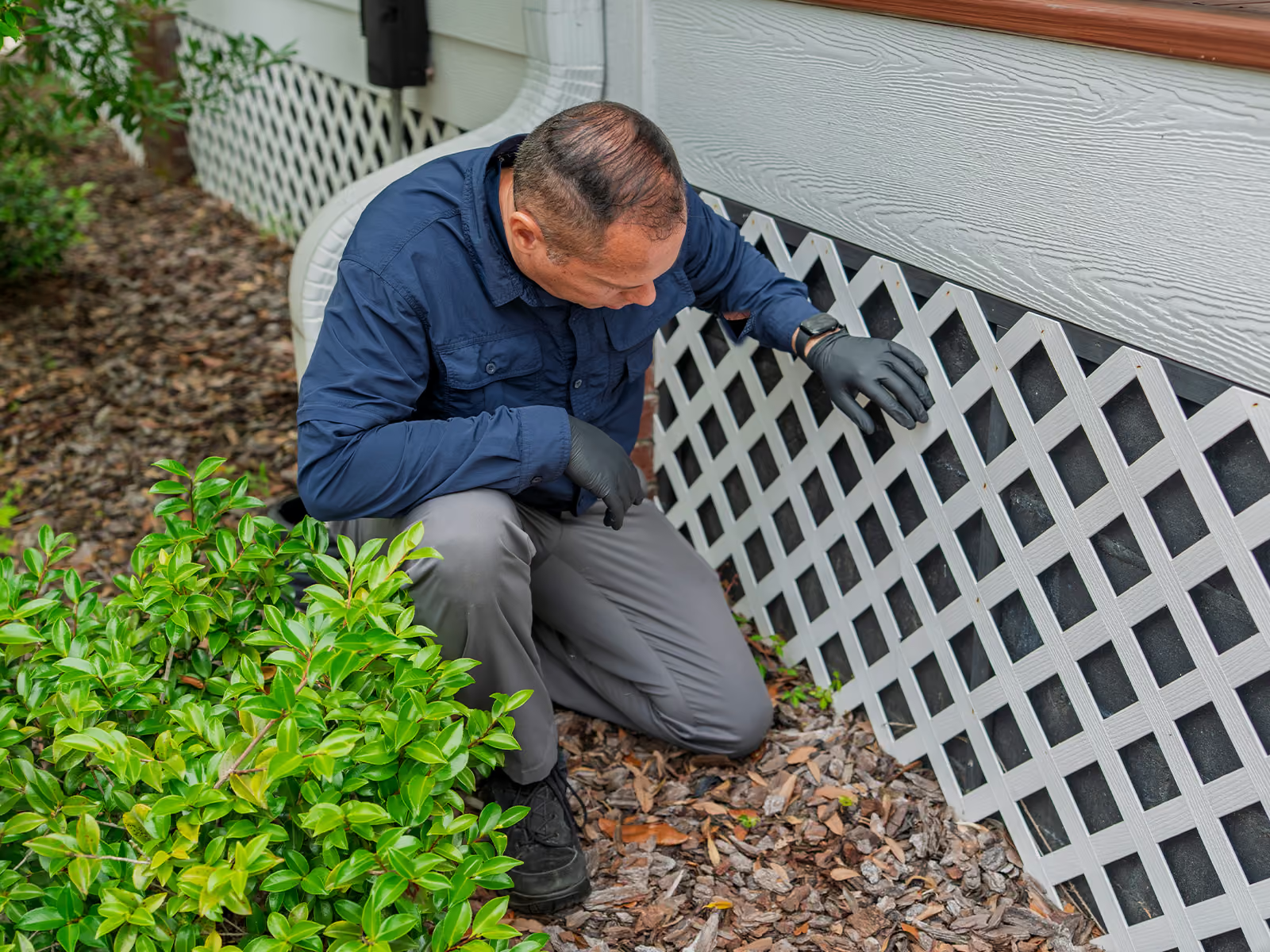
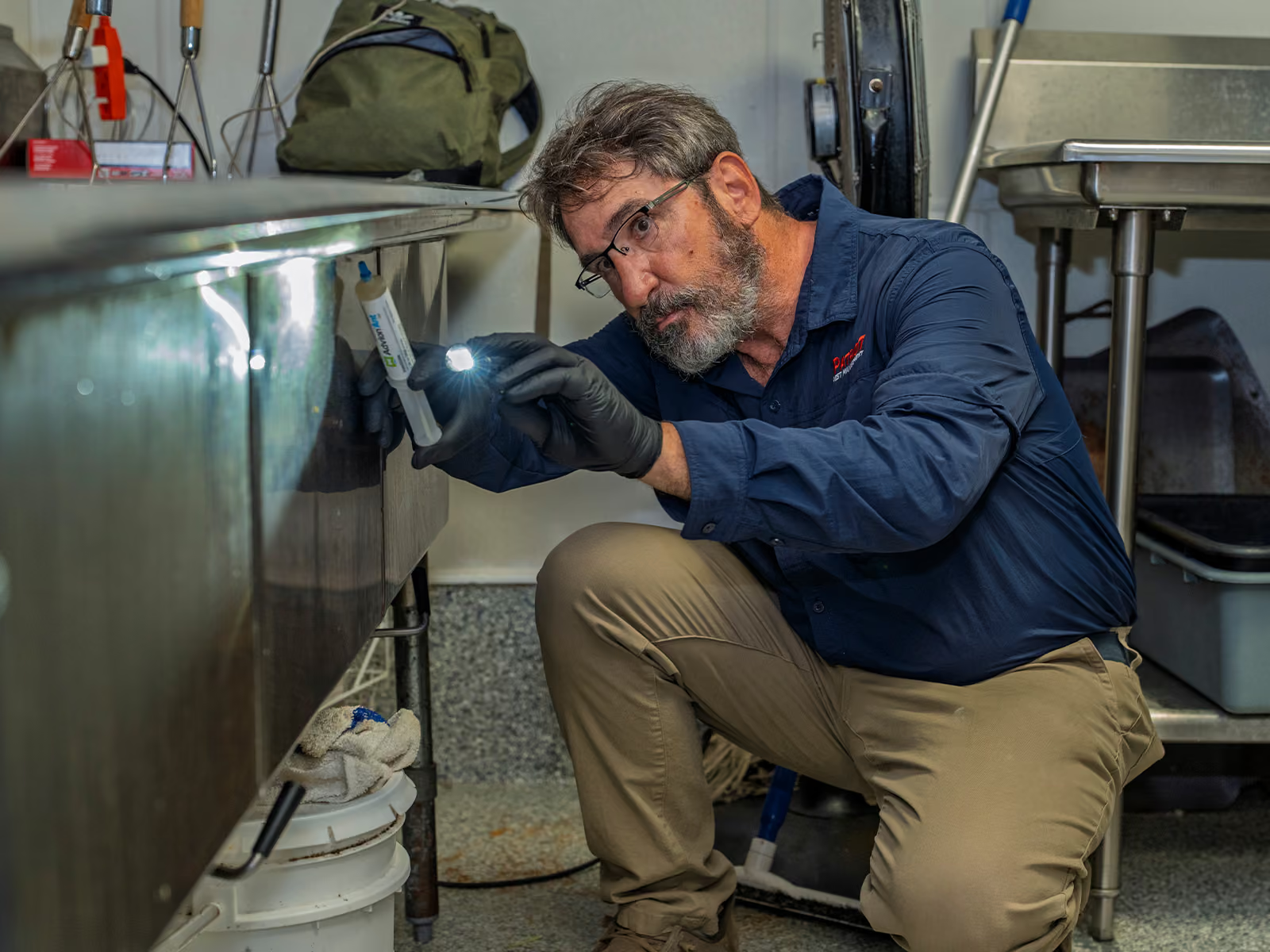
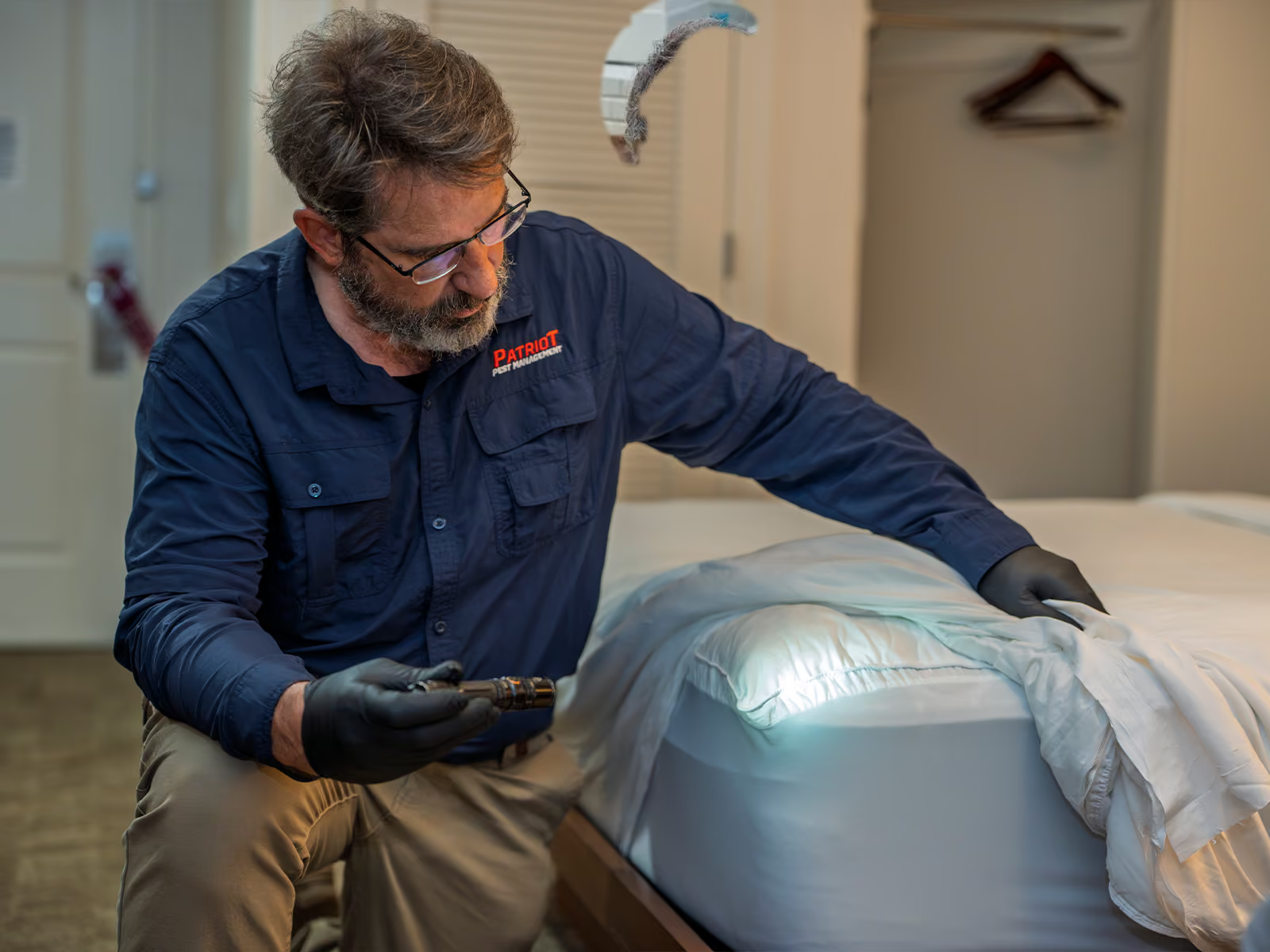
- Thorough Inspection: A trained technician will conduct a detailed assessment of your entire property, identifying existing pest pressures, potential entry points, and conditions conducive to infestations.
- Exclusion and Prevention: The first line of defense is keeping pests out. This includes sealing cracks and crevices, repairing screens, and installing door sweeps to block access.
- Sanitation Recommendations: Your pest control partner will provide expert advice on sanitation protocols, such as proper waste management, food storage techniques, and deep-cleaning schedules to eliminate food and water sources for pests.
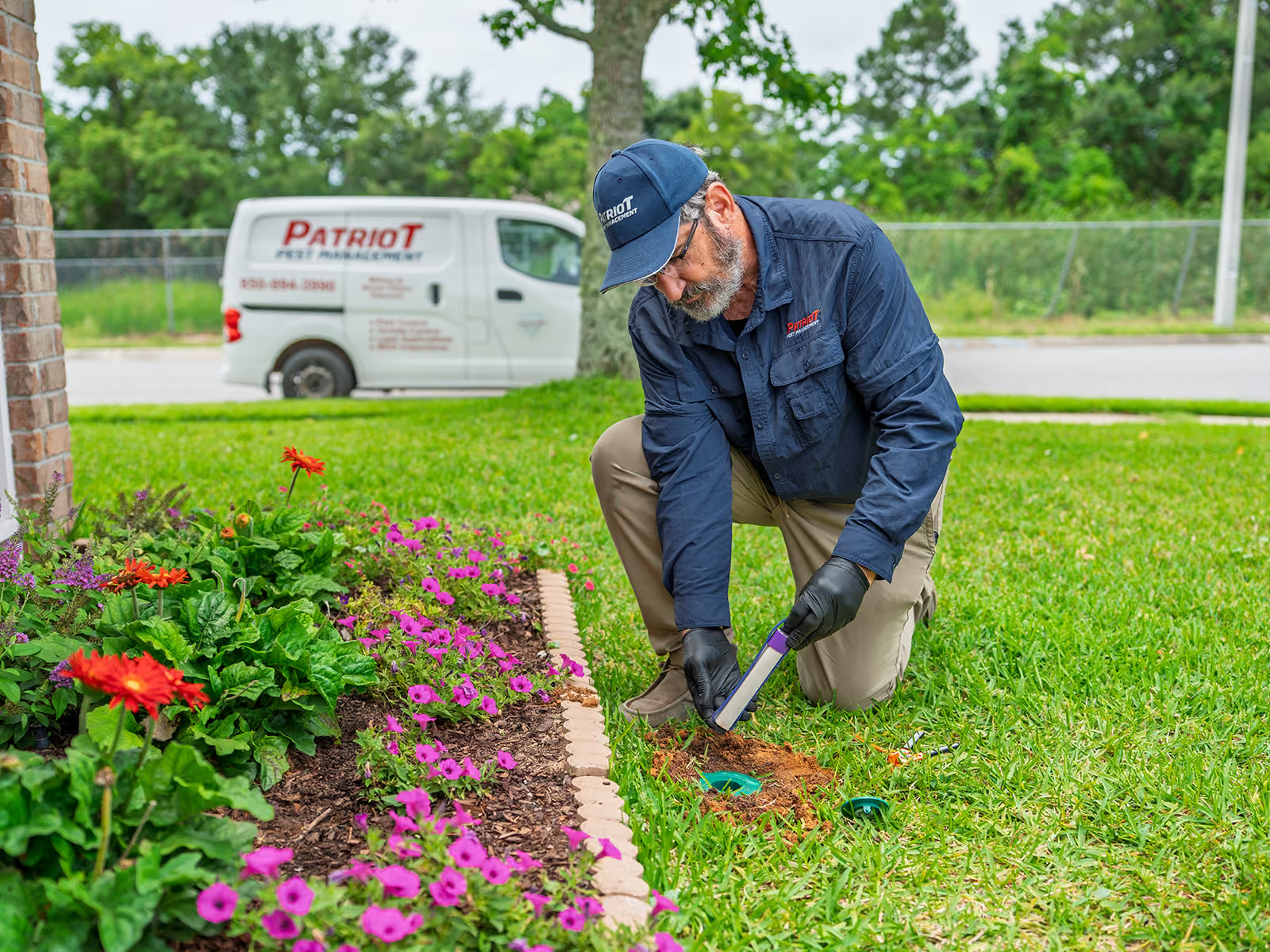
- Strategic Monitoring: Technicians will place and monitor discreet traps and monitoring stations in key areas to detect any pest activity early, before it can escalate into a full-blown infestation.
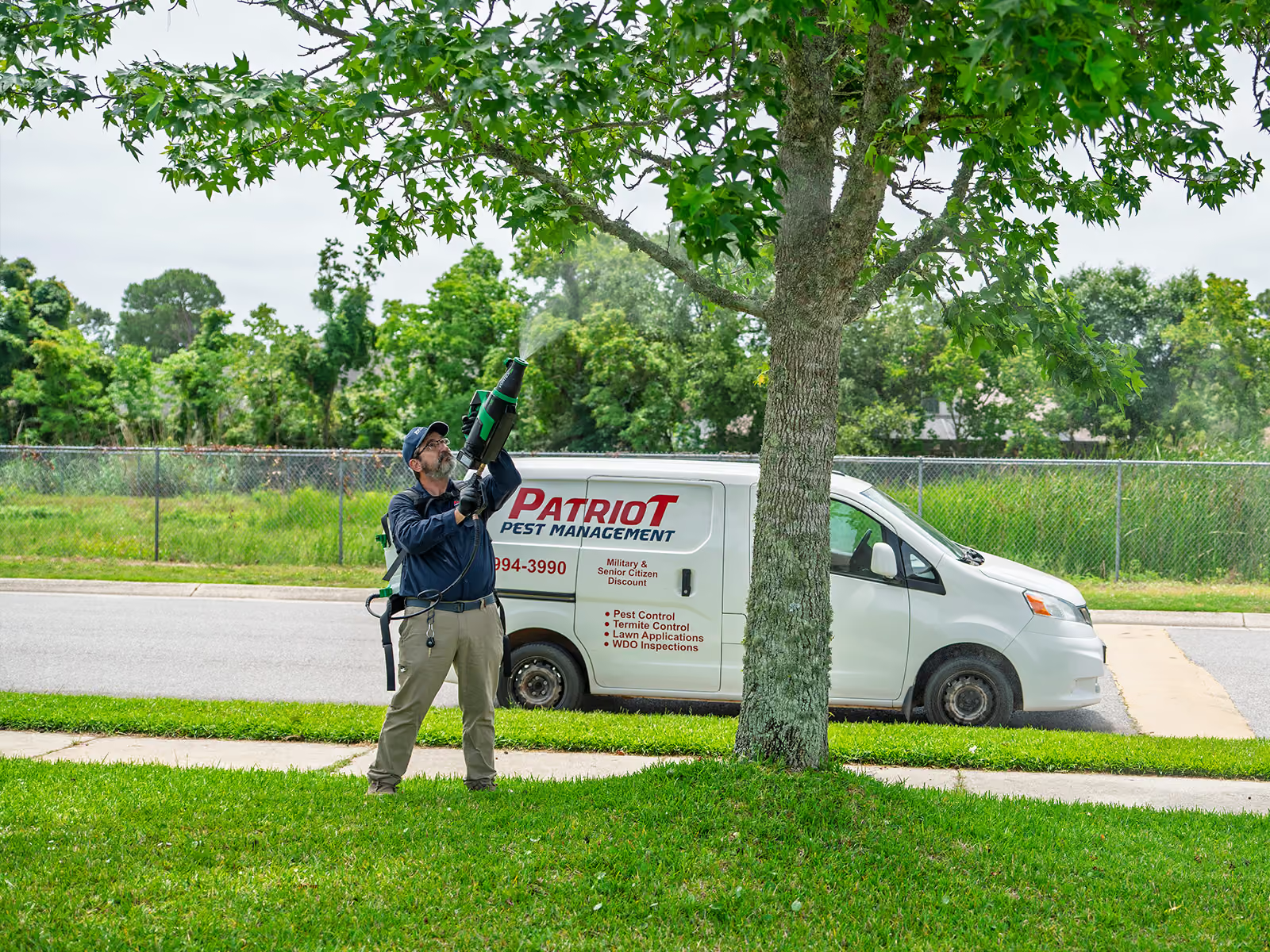
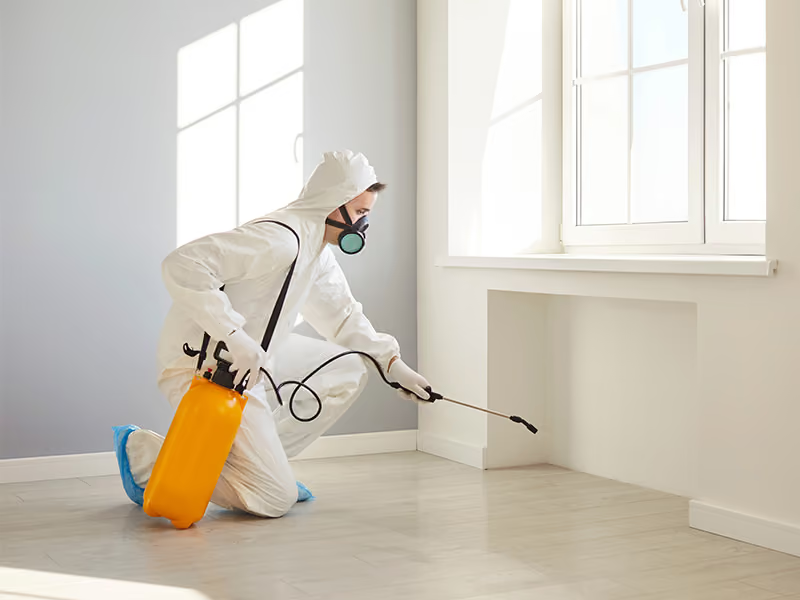
- Targeted Treatments: When treatment is necessary, an IPM approach uses the most precise and lowest-risk methods available, ensuring the safety of your staff, customers, and the environment.
This comprehensive strategy, a cornerstone of professional restaurant pest control solutions, ensures you remain compliant with health codes and creates a safer, cleaner environment for everyone.
Commercial Pest Control Services by Patriot Pest
At Patriot Pest Management, we understand that your restaurant is your livelihood. We are committed to protecting your business with honest, professional, and effective pest control solutions. Serving restaurants and food service establishments across Northwest Florida, including Pensacola, Pace, and Milton, we operate with a deep sense of genuine care for our community and the businesses that define it.
We believe in building partnerships based on trust and transparency. Our highly trained technicians don't just treat problems; they work with you to implement tailored commercial pest control plans that fit the unique needs of your establishment. By focusing on the principles of Integrated Pest Management, we provide long-term protection that safeguards your reputation, ensures health code compliance, and gives you invaluable peace of mind. We are dedicated to delivering quality-driven service that allows you to focus on what you do best: creating exceptional dining experiences for your customers.
Schedule Restaurant Pest Control in Northwest Florida
Don’t wait for a pest sighting or a failed inspection to threaten your business. Take proactive steps to protect your restaurant, your customers, and your reputation today. If you own or manage a food service business in Pensacola, Pace, Milton, or anywhere in Santa Rosa, Escambia, or Okaloosa Counties, it’s time to partner with a team you can trust.
The experts at Patriot Pest Management are ready to help you create a safer, more hygienic environment. Get in touch with us today to schedule a comprehensive inspection and receive a free, no-obligation estimate. Let us provide the reliable protection you need to operate with confidence.
FAQs
Is pest control a legal requirement for all restaurants?
Yes, pest control is a legal and regulatory requirement for restaurants, as health departments and food safety standards mandate proactive measures to prevent contamination and protect public health.
What happens if a restaurant fails a health inspection due to pests?
Failing a health inspection due to pests can result in fines, negative public perception, temporary closures, and ultimately, a significant loss of business and customer trust.
What types of pests commonly infest commercial kitchens?
Commercial kitchens are commonly infested by cockroaches (especially German cockroaches), rodents (rats and mice), flies, and ants, all of which pose significant risks to food safety and hygiene.
How often should a restaurant schedule professional pest control?
The frequency of professional pest control for a restaurant typically depends on factors like location, previous activity, and specific business needs, but regular, routine service is essential for effective prevention and compliance.
What is Integrated Pest Management (IPM) for restaurants?
Integrated Pest Management (IPM) for restaurants is a comprehensive, environmentally sensitive approach that focuses on long-term pest prevention through a combination of inspection, monitoring, exclusion, sanitation, and targeted, least-toxic treatments.